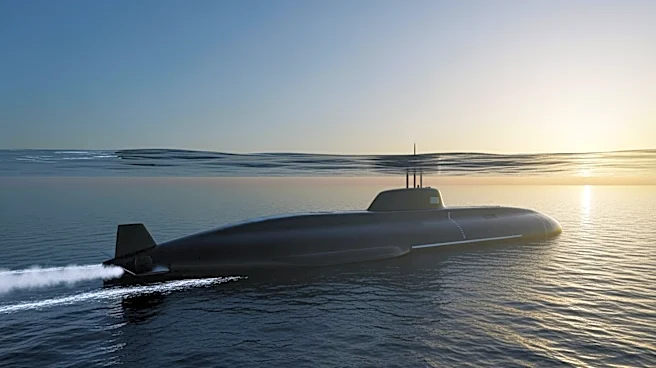



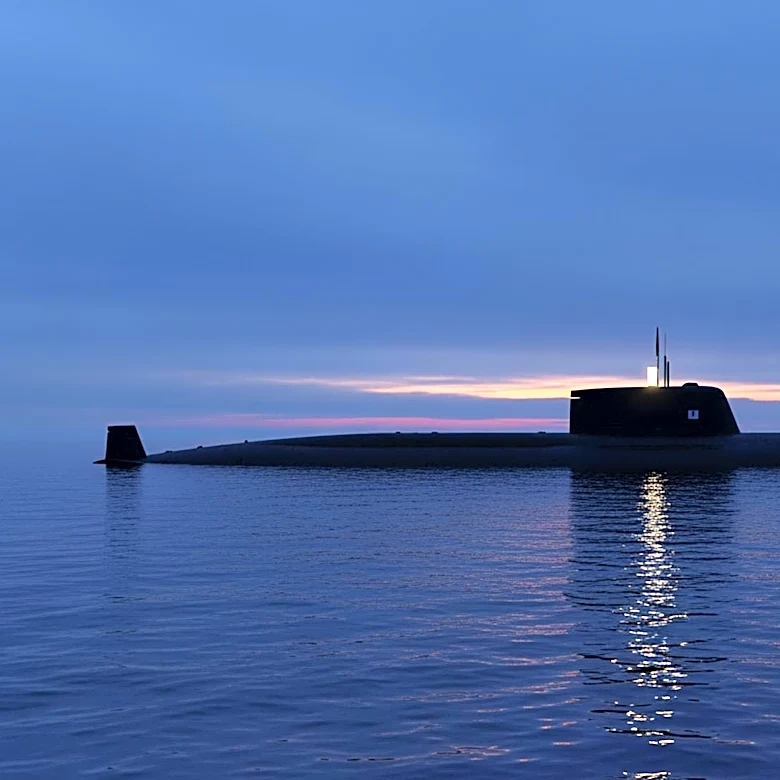

The USS George Washington (SSBN-598) was a groundbreaking vessel in the history of naval warfare, being the first operational ballistic missile submarine. Its introduction marked a significant shift in naval strategy, providing the United States with a powerful deterrent during the Cold War. This article explores the impact of the USS George Washington on naval strategy and its role as a pioneer in ballistic missile submarines.
Strategic Importance
The USS George Washington
was commissioned on December 30, 1959, and quickly became a crucial component of the United States' nuclear deterrent strategy. As the lead ship of its class, it was equipped with 16 Polaris missiles, capable of being launched from a submerged position. This capability provided a strategic advantage, allowing the submarine to remain undetected while maintaining the ability to strike targets thousands of miles away.
The introduction of ballistic missile submarines like the USS George Washington changed the landscape of naval warfare. It allowed for a more flexible and survivable deterrent, reducing the reliance on land-based missile systems. The ability to launch missiles from underwater made it difficult for adversaries to detect and counteract, enhancing the United States' strategic position during the Cold War.
Operational Milestones
The USS George Washington embarked on its first deterrent patrol on November 15, 1960, carrying 16 Polaris A-1 missiles armed with nuclear warheads. This patrol lasted 67 days, with the submarine remaining submerged for 66 of those days. The successful completion of this patrol demonstrated the effectiveness of ballistic missile submarines in maintaining a constant state of readiness and providing a credible deterrent.
The submarine's operations were supported by a dual-crew system, with the Blue and Gold crews alternating patrols. This system maximized the submarine's time at sea, ensuring that it could maintain continuous patrols and remain ready to respond to any threats. The USS George Washington's successful patrols paved the way for subsequent classes of ballistic missile submarines, solidifying its role as a pioneer in naval strategy.
Legacy and Influence
The USS George Washington's introduction and successful operations had a lasting impact on naval strategy. It set a precedent for the development of future ballistic missile submarines, influencing the design and capabilities of subsequent classes. The strategic advantage provided by these submarines contributed to the United States' ability to maintain a strong defense posture during the Cold War.
As the first operational ballistic missile submarine, the USS George Washington played a pivotal role in shaping naval strategy and advancing military technology. Its legacy continues to influence the design and deployment of modern submarines, highlighting its importance as a pioneer in the field of naval warfare.