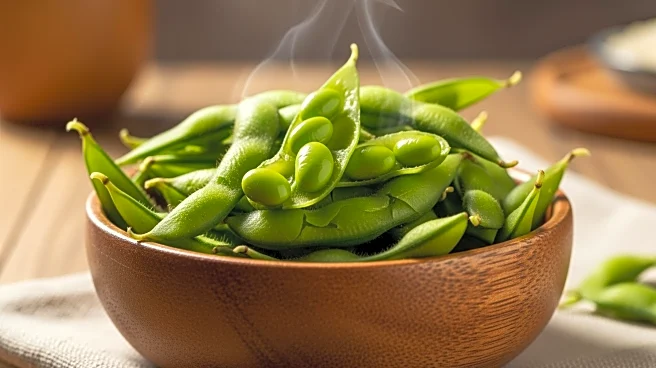




Edamame, the immature soybeans served in their pods, have traveled far from their East Asian roots to become a global culinary sensation. Originally a staple in countries like Japan, Korea, and China, edamame is now enjoyed worldwide for its unique taste and nutritional benefits. This article traces the journey of edamame from its origins to its current status as a beloved snack across the globe.
Origins in East Asia
The cultivation of soybeans in China dates back over
7000 years, with edamame being a part of this rich agricultural history. The term "edamame" first appeared in Japan in 1275, when a monk named Nichiren expressed gratitude for a gift of edamame. This historical reference highlights the longstanding presence of edamame in Japanese culture.
In East Asia, edamame is traditionally served as a side dish or appetizer, often accompanying alcoholic beverages like beer and shōchū. Its simple preparation—boiling or steaming with a touch of salt—makes it a popular choice in social settings. The cultural significance of edamame in East Asia is evident in its frequent appearance in traditional meals and celebrations.
Edamame's Global Expansion
Edamame's journey to global popularity began in the United States, where it was first recognized in 1855. By the 1920s, edamame was featured in American literature, with nutritional facts and recipes published to introduce this new vegetable to the public. The term "edamame" made its way into English dictionaries in the early 2000s, reflecting its growing presence in Western cuisine.
Today, edamame is widely available in supermarkets and specialty food stores across the globe. Its appeal lies in its versatility and health benefits, making it a favorite among health-conscious consumers. Edamame's ability to adapt to various culinary styles has contributed to its widespread acceptance and popularity.
Edamame in Contemporary Cuisine
In modern cuisine, edamame is used in both sweet and savory dishes, showcasing its versatility. It can be found in salads, stir-fries, and even desserts, adding a unique flavor and texture to a variety of dishes. The ease of preparation and nutritional value make edamame a popular choice for chefs and home cooks alike.
As a global culinary icon, edamame continues to inspire creativity in kitchens around the world. Its journey from East Asia to international fame is a testament to the universal appeal of simple, nutritious foods. Whether enjoyed as a snack or incorporated into elaborate dishes, edamame remains a beloved ingredient in contemporary cuisine.