

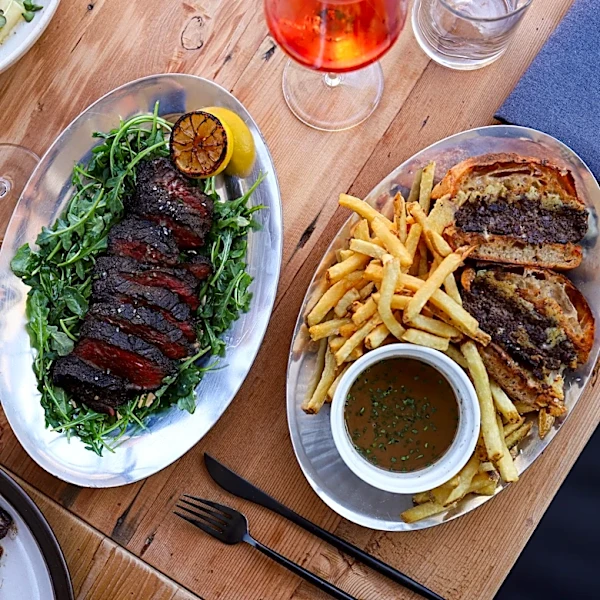




Julienning is a precise culinary technique that transforms ordinary vegetables into elegant, matchstick-like strips. This method is not only about aesthetics but also plays a crucial role in ensuring even cooking and enhancing the texture of dishes. Commonly used for vegetables like carrots, celery, and potatoes, julienning is a staple in both professional kitchens and home cooking.
The Technique of Julienning
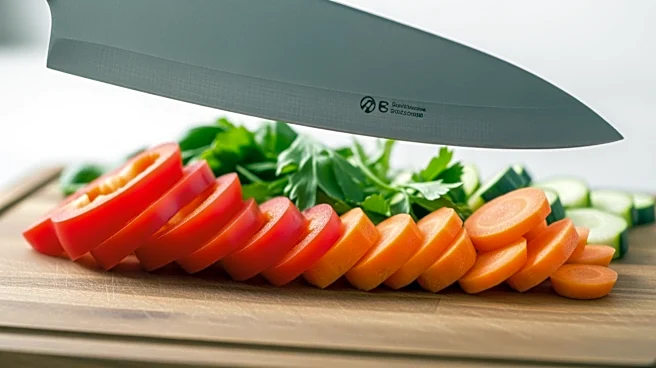
Julienning involves cutting food items into long, thin strips that
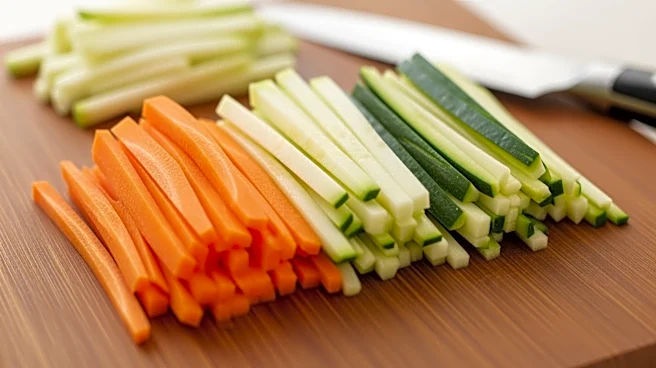
resemble matchsticks. This technique is often applied to vegetables such as carrots, celery, and potatoes. The process begins by trimming the ends of the vegetable and creating four straight sides, which makes it easier to achieve a uniform cut. The standard measurement for a julienne cut is 3 mm by 3 mm by 40 mm to 50 mm. This precision ensures that each piece cooks evenly and at the same rate, which is essential for achieving the desired texture and flavor in a dish.
Once the vegetables are julienned, they can be further processed into a brunoise cut by turning the strips 90 degrees and dicing them finely. This versatility makes julienning a foundational skill in culinary arts, allowing chefs to create a variety of textures and presentations from a single technique.
Historical Roots of Julienning
The term "julienne" first appeared in print in the 1722 edition of François Massialot's "Le Cuisinier Royal et Bourgeois." Despite its long history, the exact origin of the term remains uncertain. It is a testament to the enduring nature of this technique that it has remained a staple in culinary practices for centuries. The julienne cut is also known as the "allumette" or "French cut," highlighting its deep roots in French cuisine.
The historical significance of julienning is not just in its longevity but also in its influence on other culinary techniques. By mastering the julienne cut, chefs can easily transition to other cuts like brunoise, showcasing the interconnectedness of culinary skills.
Applications in Modern Cuisine
In modern cuisine, julienning is used not only for its practical benefits but also for its visual appeal. Julienned vegetables are often used as garnishes, adding a touch of elegance to dishes. They are also integral to specific recipes, such as céléris remoulade, where celery is julienned to create a distinctive texture and flavor profile.
The technique is also popular in international cuisines. For example, julienned cucumbers are a key component in the Korean dish naengmyeon, where they add a refreshing crunch. This demonstrates the versatility of julienning across different culinary traditions, making it a valuable skill for chefs worldwide.
In conclusion, julienning is more than just a cutting technique; it is an art form that enhances both the visual and sensory experience of food. Its precision and versatility make it an essential skill for anyone interested in the culinary arts.