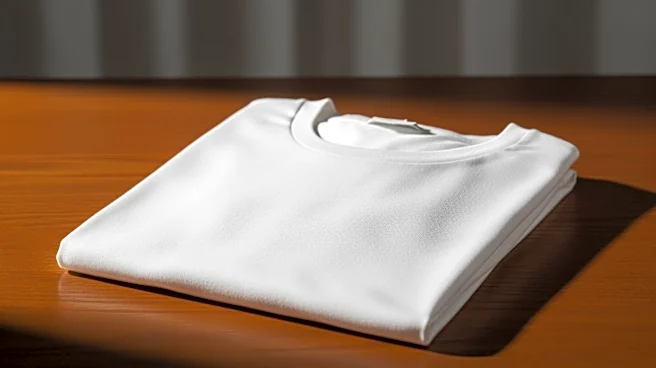





The T-shirt, a ubiquitous garment in today's fashion world, has a rich history that traces back to the 19th century. Originally designed as an undergarment, the T-shirt has undergone significant transformations to become a staple in casual wear. This article delves into the evolution of the T-shirt, highlighting its journey from a simple piece of clothing to a symbol of self-expression and fashion.
Early Beginnings
The T-shirt's origins can be traced back to the 19th
century when it was primarily used as an undergarment. It evolved from the one-piece union suit, which was split into separate top and bottom garments. The top, which was long enough to tuck into the bottoms, became popular among miners and stevedores who needed a convenient and comfortable garment for hot environments. By 1913, the U.S. Navy adopted the T-shirt as an official undergarment, marking its first significant step into mainstream use.
During the early 20th century, the T-shirt was primarily worn by workers in various industries, including agriculture. Its ease of cleaning, affordability, and comfort made it a popular choice for young boys as well. By the 1920s, the term "T-shirt" had entered American English, and the garment was recognized in the Merriam-Webster Dictionary.
Mid-20th Century Transformation
The T-shirt's transformation from undergarment to outerwear began in earnest during the mid-20th century. Following World War II, veterans returning home were often seen wearing their T-shirts as casual clothing. This trend was further popularized in the 1950s when Hollywood icons like Marlon Brando and James Dean wore T-shirts in films, elevating the garment to a fashionable status.
The 1960s saw the rise of printed T-shirts, which became a medium for self-expression and advertising. T-shirts with slogans, logos, and images became popular, allowing individuals to convey personal messages and affiliations. This era marked the beginning of the T-shirt as a canvas for creativity and individuality.
The Modern T-Shirt
Today, the T-shirt is one of the most worn garments worldwide, available in a myriad of designs, colors, and styles. It is a staple in fast fashion, with billions sold annually. The T-shirt's versatility and affordability make it a favorite for branding and marketing, with companies and organizations using it as a promotional tool.
The T-shirt's journey from a simple undergarment to a fashion icon reflects broader cultural and social changes. It has become a symbol of casual style, personal expression, and even political statements. As fashion continues to evolve, the T-shirt remains a timeless piece, adaptable to the changing trends and tastes of society.