


Pull-ups are a versatile exercise with numerous variations that can target different muscle groups and provide varying levels of difficulty. Understanding these variations and techniques can help individuals tailor their workouts to meet specific fitness goals.
Different Grip Variations
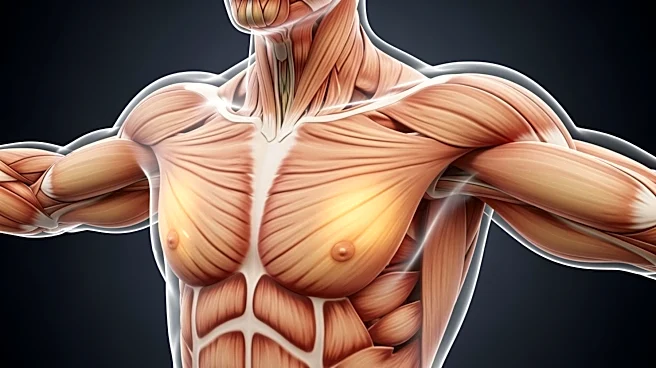
One of the simplest ways to modify a pull-up is by changing the grip. The standard pull-up uses an overhand (pronated) grip, which primarily targets the back muscles, including the latissimus
dorsi and trapezius. An underhand (supinated) grip, often referred to as a chin-up, shifts more focus to the biceps brachii, making it a great option for those looking to enhance arm strength.
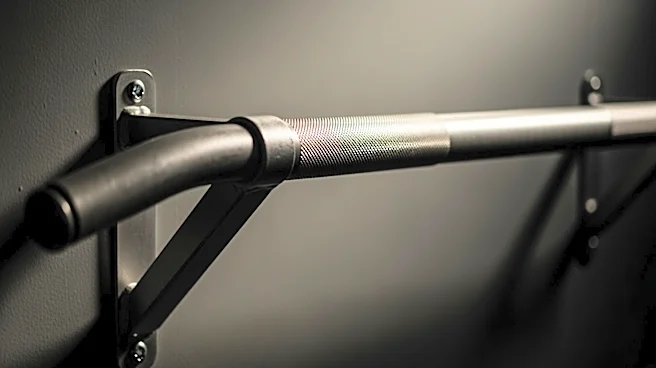
A neutral grip, where the palms face each other, can be easier on the wrists and shoulders, making it a suitable choice for individuals with joint concerns. This grip also provides a balanced workout for both the back and arm muscles. Additionally, some pull-up bars offer rotating handles, allowing for a dynamic grip that can engage the muscles differently throughout the movement.
Advanced Techniques and Equipment
For those looking to increase the challenge, weighted pull-ups are an excellent option. By adding weights to a belt or wearing a weighted vest, individuals can increase the resistance, leading to greater strength gains. Another advanced technique is the muscle-up, which combines a pull-up with a dip, requiring explosive strength and coordination.
Pull-ups can also be performed using different equipment, such as gymnastics rings or towels. Rings allow for a greater range of motion and require additional stabilization, engaging the core muscles more intensely. Towel pull-ups, where the individual grips a towel draped over the bar, can significantly enhance grip strength.
Incorporating Variations into Workouts
Incorporating different pull-up variations into a workout routine can prevent plateaus and keep the exercise challenging. Beginners can start with assisted pull-ups using resistance bands or machines to build the necessary strength. As proficiency increases, individuals can experiment with different grips and techniques to target specific muscle groups or increase the intensity.
It's important to maintain proper form throughout the exercise to prevent injury and maximize benefits. This includes keeping the body stable, avoiding swinging or jerking movements, and ensuring a full range of motion. By exploring the various pull-up techniques and incorporating them into regular workouts, individuals can achieve a well-rounded upper body strength and endurance.