

BlueTEC is a term that has become synonymous with Mercedes-Benz's commitment to reducing emissions in diesel vehicles. This technology is designed to tackle the challenge of nitrogen oxides (NOx) emissions, which are a significant concern for diesel engines. By employing advanced systems like selective catalytic reduction (SCR) and NOx adsorbers, BlueTEC aims to make diesel engines cleaner and more environmentally friendly.
The Technology Behind BlueTEC
At the heart of BlueTEC
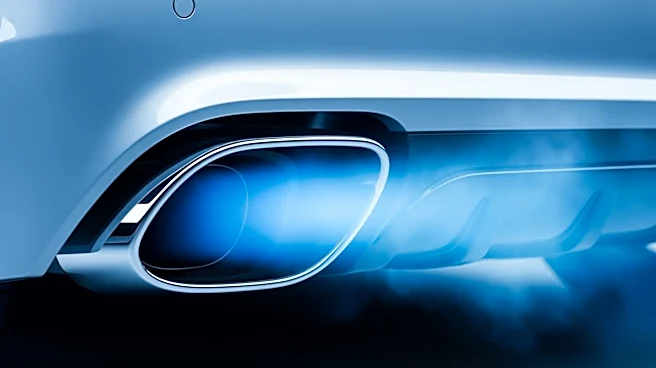
is the selective catalytic reduction (SCR) system. This system uses diesel exhaust fluid, a solution of urea and water, to convert harmful NOx emissions into harmless nitrogen and water. The process involves injecting the fluid into the exhaust stream, where it reacts with the NOx in the presence of a catalyst. This reaction significantly reduces the amount of NOx released into the atmosphere, addressing one of the major environmental concerns associated with diesel engines.
Another component of BlueTEC is the NOx adsorber system, known as DeNOx. This system uses an oxidizing catalytic converter and a diesel particulate filter to further reduce emissions. The NOx adsorbers capture nitrogen oxides and periodically purge them by running the engine slightly rich. This combination of technologies ensures that BlueTEC-equipped vehicles meet stringent emissions standards, making them a viable option for environmentally conscious consumers.
BlueTEC's Impact on Diesel Vehicles
The introduction of BlueTEC has had a significant impact on the diesel vehicle market. Mercedes-Benz has incorporated this technology into various models, including the E-Class and GL-Class, making them compliant with emissions regulations across multiple states in the U.S. This compliance is crucial, as diesel engines are known for their fuel efficiency but have historically struggled with emissions.
By sharing BlueTEC technology with other automakers like Volkswagen and Audi, Mercedes-Benz has helped expand the market for diesel passenger vehicles in the United States. This collaboration has led to the introduction of models like the Jetta Clean TDI and the Touareg BlueTDI, which utilize similar emissions-reducing technologies.
Challenges and Controversies
Despite its benefits, BlueTEC has faced challenges and controversies. In 2016, Mercedes-Benz and other companies were sued over allegations that BlueTEC violated emissions standards, similar to the Volkswagen emissions scandal. Although the lawsuit was initially dismissed, it was later reinstated, leading to a class action settlement that included cash payments and extended warranties for affected models.
Additionally, investigations have revealed discrepancies in emissions testing, with some BlueTEC vehicles emitting more NOx in real-world conditions than in laboratory tests. These findings have prompted further scrutiny and legal action, highlighting the ongoing challenges in ensuring compliance with emissions standards.
Overall, BlueTEC represents a significant advancement in diesel emissions technology, offering a cleaner alternative for diesel vehicles. However, the controversies surrounding its implementation underscore the complexities of achieving environmental compliance in the automotive industry.