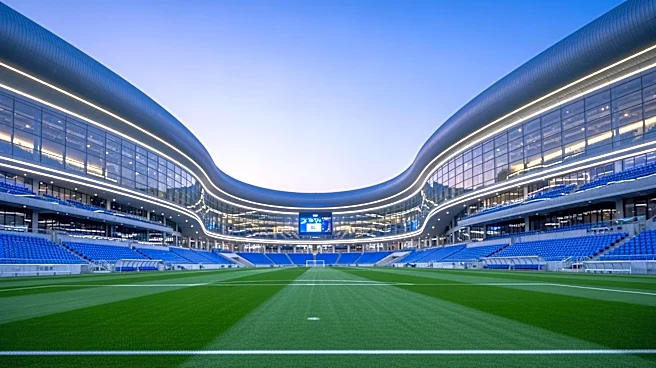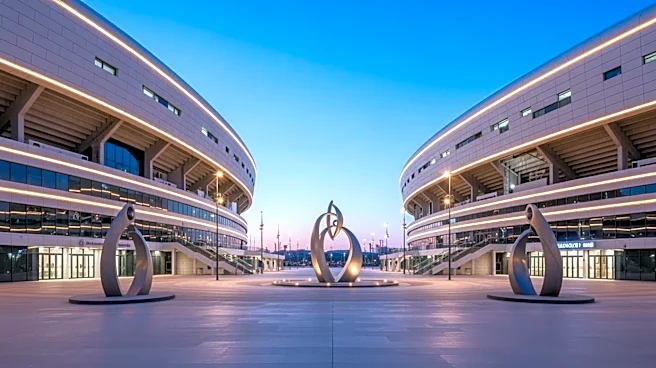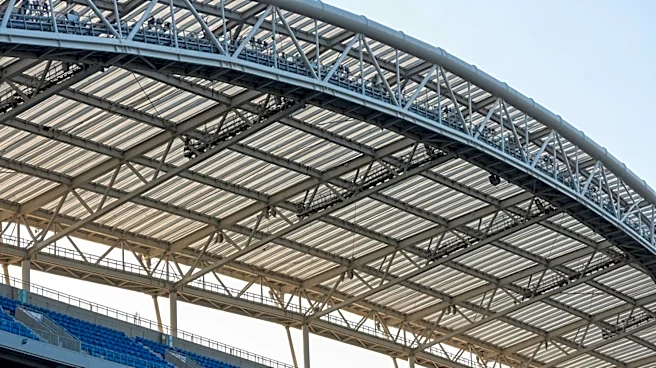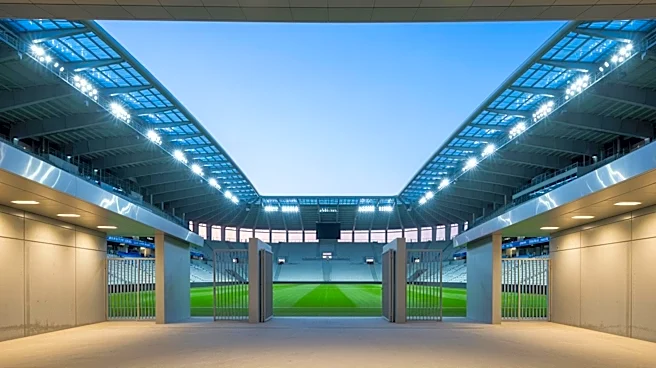




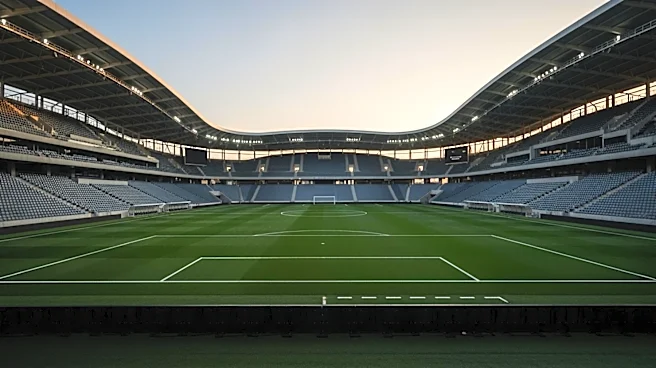

Kashima Soccer Stadium, also known as Mercari Stadium for sponsorship reasons, is a prominent sports venue located in Kashima, Ibaraki Prefecture, Japan. With a seating capacity of 40,728, it serves as the home stadium for the J1 League club Kashima Antlers. This article explores the stadium's features, its role in Japanese soccer, and its significance as a modern sports venue.
Architectural and Functional Features
Kashima Soccer Stadium is designed to accommodate large crowds, with a seating
capacity of 40,728. This makes it one of the larger stadiums in Japan, capable of hosting significant sporting events. The stadium's design ensures that spectators have a clear view of the field, enhancing the overall experience for fans.
The stadium is equipped with modern facilities to support both players and spectators. It includes amenities such as locker rooms, media centers, and hospitality suites, making it a versatile venue for various events. The infrastructure is designed to handle the demands of international competitions, as demonstrated during the 2002 FIFA World Cup.
Home of the Kashima Antlers
Kashima Soccer Stadium is the home ground for the Kashima Antlers, one of Japan's most successful soccer clubs. The Antlers have a strong fan base, and the stadium serves as a central hub for their matches. The venue's capacity and facilities make it an ideal location for hosting J1 League matches, providing fans with an exciting and comfortable environment to support their team.
The stadium's association with the Kashima Antlers has helped elevate its status in Japanese soccer. It is not only a place for matches but also a symbol of the club's achievements and aspirations. The Antlers' success on the field is closely tied to the stadium, making it a cherished landmark for fans.
Significance in Japanese Sports
Kashima Soccer Stadium's role extends beyond being a home for the Kashima Antlers. It is a significant venue in Japanese sports, having hosted matches during the 2002 FIFA World Cup. This event showcased the stadium's ability to host international competitions, highlighting Japan's capacity to organize large-scale sporting events.
The stadium's involvement in the World Cup has left a lasting impact on its reputation. It is recognized as a modern sports venue capable of accommodating diverse events, from local league matches to international tournaments. Kashima Soccer Stadium continues to be a vital part of Japan's sports infrastructure, contributing to the growth and popularity of soccer in the country.