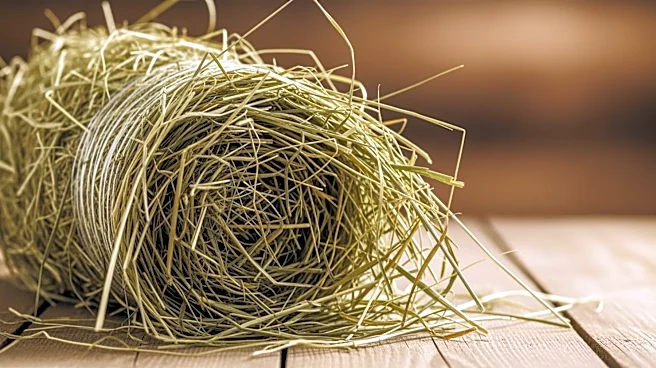








Timothy hay is a staple in the diets of many animals, particularly horses and small pets like rabbits and guinea pigs. Known for its high fiber content, timothy hay plays a vital role in maintaining the health and well-being of these animals. This article delves into the nutritional benefits of timothy hay and its importance in animal diets.
Nutritional Benefits of Timothy Hay
Timothy hay is renowned for its high fiber content, which is essential for the digestive health of many animals.
The long fibers in timothy hay help to keep the digestive system functioning smoothly, preventing issues such as constipation and other gastrointestinal problems. For horses, timothy hay is often included in their diet as it provides quality nutrition and is part of the standard mix for grass hay.
In addition to its digestive benefits, timothy hay is also beneficial for dental health, particularly in small animals like rabbits, guinea pigs, chinchillas, and degus. The abrasive texture of the hay helps to grind down the teeth, which is crucial for preventing dental issues. These animals rely on timothy hay to keep their teeth and jaw in good order, as their teeth continuously grow and need regular wear.
Importance in Animal Diets
Timothy hay is not only a dietary staple for horses but also for small pets. It often makes up the bulk of their diet, providing essential nutrients and fiber. For domestic pet rabbits, guinea pigs, chinchillas, and degus, timothy hay is indispensable. It is considered a harsh, coarse grass, but when cut late, it becomes relatively high in fiber, making it more palatable and nutritious for these animals.
The inclusion of timothy hay in the diet of these animals is crucial for their overall health. It helps maintain a balanced diet, ensuring that they receive the necessary nutrients to thrive. The hay's role in dental health cannot be overstated, as it prevents overgrown teeth, which can lead to serious health issues.
Cultivation and Uses
Timothy hay is commonly grown for cattle feed and as hay for horses. Its cultivation is widespread due to its nutritional benefits and its ability to persist through the winter. The grass is native to Europe and has become naturalized throughout most of North America, eastern Asia, southern South America, and Australasia.
The cultivation of timothy hay is essential for providing a reliable source of nutrition for animals. Its ability to grow in various climates and its resistance to cold and drought make it a versatile and valuable crop. As a result, timothy hay continues to be a crucial component in animal nutrition, supporting the health and well-being of a wide range of animals.