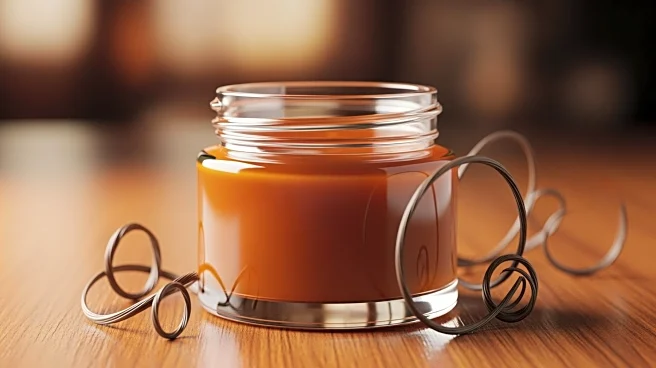




Pomade has been more than just a hairstyling product; it has become a cultural icon influencing fashion and personal grooming. From the pompadour to the quiff, pomade has shaped some of the most recognizable hairstyles in history. This article explores the cultural significance of pomade and its impact on popular fashion trends.
The Pompadour Phenomenon
One of the most iconic hairstyles associated with pomade is the pompadour. This style gained immense popularity in the mid-1950s,
becoming a symbol of rebellion and rock and roll culture. Celebrities like Elvis Presley and James Dean were instrumental in popularizing the pompadour, making it a staple of youthful fashion.
The pompadour's slick, voluminous look was achieved through the heavy hold of pomade, allowing hair to be styled into dramatic shapes. This hairstyle became synonymous with the rock and roll era, representing a break from traditional norms and an embrace of individuality. The pompadour's cultural impact was profound, influencing fashion and personal expression for decades.
Revival and Modern Styles
Pomade's influence did not wane with the passing of the rock and roll era. In the 1980s, the Rockabilly style saw a resurgence, bringing the pompadour back into the spotlight. Musicians like Brian Setzer and Chris Isaak embraced this retro look, further solidifying pomade's place in modern hairstyling.
The 2010s witnessed another revival of pomade, coinciding with the popularity of the disconnected undercut hairstyle. This style features buzzed or faded sides with a longer top, styled with pomade for a sleek finish. Celebrities such as David Beckham and Brad Pitt have been seen sporting this look, showcasing pomade's versatility and enduring appeal.
Pomade in Fashion and Media
Pomade's cultural significance extends beyond hairstyles; it has influenced fashion and media as well. The slick, polished look achieved with pomade has been featured in numerous films and television shows, particularly those set in historical periods. Shows like Peaky Blinders have highlighted pomade's role in creating authentic period styles.
The product's association with iconic figures and styles has made it a symbol of sophistication and rebellion. Pomade continues to be a popular choice for those seeking to emulate classic looks or make a bold fashion statement. Its impact on personal grooming and fashion remains strong, reflecting its status as a cultural icon.