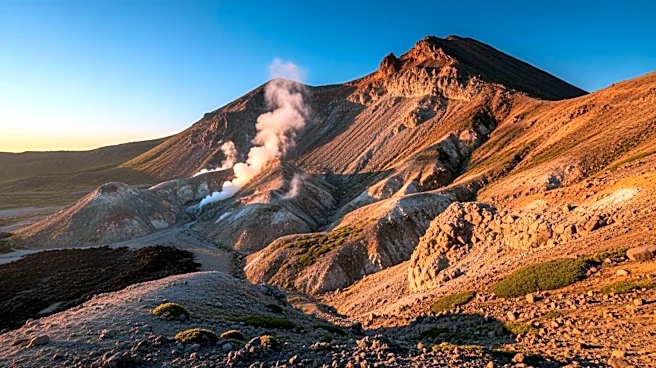







Mount Katmai, located in southern Alaska, is a fascinating geological site within Katmai National Park and Preserve. Known for its large dormant stratovolcano, Mount Katmai offers a glimpse into the powerful forces of nature that have shaped the landscape. The mountain's central lake-filled caldera, formed during the Novarupta eruption of 1912, is a testament to the dynamic volcanic activity that has occurred in the region.
The Formation of Mount Katmai
Mount Katmai is a stratovolcano,
a type of composite volcano, which is characterized by its layered structure formed from lava flows, pyroclastic rocks, and air fall deposits. The mountain spans about 6.3 miles in diameter, with a caldera that measures approximately two by three miles. This caldera was created during the Novarupta eruption, one of the most significant volcanic events of the 20th century.
The eruption, which took place between June 6 and 9, 1912, resulted in the collapse of the summit area, forming the caldera. The withdrawal of magma beneath Katmai led to this dramatic change in the landscape. Following the subsidence, a small dacitic lava dome known as Horseshoe Island was emplaced on the caldera floor, although it has since been submerged by the crater lake.
Geological Features and Volcanic Activity
The geology of Mount Katmai is complex and intriguing. The volcano is built on sedimentary rocks of the Naknek Formation, dating back to the Late Jurassic age. These rocks are exposed at various elevations around the caldera rim. The volcanic activity at Katmai has resulted in a landscape covered by snow and ice, with several valley glaciers radiating from the mountain's flanks.
Despite its dormancy, Mount Katmai remains a site of interest for geologists and volcanologists. The Alaska Volcano Observatory routinely issues advisories for ash, as strong winds can lift ash from the 1912 eruption high into the air, posing a hazard to aircraft. This phenomenon highlights the ongoing impact of past volcanic activity on the region.
The Valley of Ten Thousand Smokes
One of the most remarkable features associated with Mount Katmai is the Valley of Ten Thousand Smokes. Following the 1912 eruption, thousands of fumaroles vented steam from the ash, creating this unique valley. The valley is a striking example of the aftermath of volcanic activity, showcasing the power and beauty of nature.
Today, the valley is a popular destination for visitors to Katmai National Park, offering a chance to witness the remnants of the eruption and the stunning landscape it created. The combination of geological features and historical significance makes Mount Katmai a captivating subject for exploration and study.