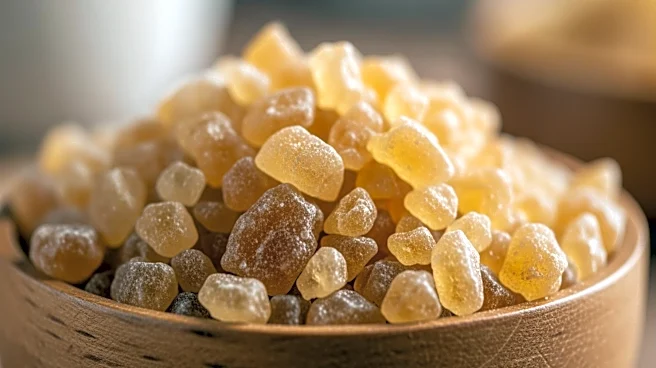



Brown sugar is a staple in many kitchens, known for its distinctive color and flavor. This type of sugar is characterized by the presence of molasses, which gives it a unique taste and texture. Brown sugar can be either unrefined or partially refined, consisting of sugar crystals with residual molasses, or it can be produced by adding molasses to refined white sugar. This article delves into the composition and characteristics that make brown sugar a versatile
ingredient in cooking and baking.
The Role of Molasses
Molasses is the key component that sets brown sugar apart from its white counterpart. It is a byproduct of the sugar refining process and is responsible for the brown color and rich flavor of brown sugar. The amount of molasses present in brown sugar can vary, leading to different types such as light brown sugar and dark brown sugar. Light brown sugar contains about 3.5% molasses, while dark brown sugar contains about 6.5% molasses. This variation in molasses content not only affects the color but also the flavor and moisture content of the sugar.
The presence of molasses makes brown sugar more hygroscopic than white sugar, meaning it attracts and retains moisture. This property is particularly beneficial in baking, as it helps keep baked goods moist and chewy. The molasses also contributes to the caramelization process, enhancing the flavor and color of baked items.
Grading and Particle Size
Brown sugar is graded based on its color, which is directly related to the molasses content. The grading system assigns numbers to different shades of brown sugar, with higher numbers indicating darker sugars. Common gradings include 6, 8, 10, and 13. This grading helps consumers and manufacturers choose the right type of brown sugar for their specific needs.
In addition to color, the particle size of brown sugar can vary. Generally, the crystals are smaller than those of granulated white sugar. For industrial purposes, brown sugar may be based on caster sugar, which has even smaller crystals. This variation in particle size can affect how brown sugar is used in different recipes, influencing the texture and consistency of the final product.
Culinary Uses and Substitutions
Brown sugar is a popular ingredient in a variety of recipes, from baked goods to savory dishes. Its rich flavor and moisture-retaining properties make it ideal for cookies, cakes, and sauces. In recipes where a more pronounced caramel flavor is desired, dark brown sugar is often preferred.
For those who do not have brown sugar on hand, it can be easily made at home by mixing white sugar with molasses. The typical ratio is about one tablespoon of molasses per cup of sugar, but this can be adjusted to achieve the desired flavor and color. This homemade version can be used as a substitute in most recipes that call for brown sugar.
In conclusion, brown sugar's unique composition and characteristics make it a valuable ingredient in both sweet and savory dishes. Its versatility and distinctive flavor profile continue to make it a favorite among cooks and bakers alike.