






Special schools play a crucial role in the special education system, providing tailored educational experiences for students with disabilities. This article examines the function and importance of special schools, highlighting how they cater to the unique needs of their students and contribute to their overall development.
Specialized Environments and Resources
Special schools are designed to meet the specific needs of students with disabilities, offering a range of resources and facilities
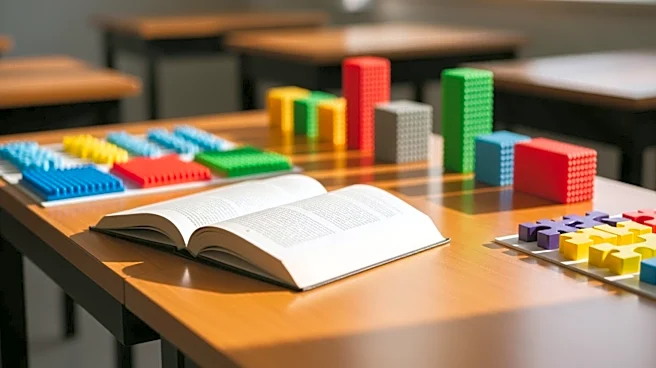
that are not typically available in mainstream schools. These schools often maintain low student-to-teacher ratios, allowing for more individualized attention and support. The environment in special schools is carefully structured to accommodate various disabilities, with features such as sensory rooms, soft play areas, and specialized equipment.
The staff at special schools are trained to work with students with diverse needs, employing specialized teaching methods and strategies. This expertise enables them to create a supportive and nurturing environment where students can thrive. By focusing on the individual strengths and challenges of each student, special schools help students achieve their full potential.
Addressing Diverse Needs
Special schools cater to a wide range of disabilities, including learning difficulties, physical disabilities, and behavioral problems. They provide a comprehensive educational experience that addresses not only academic needs but also social, emotional, and physical development. This holistic approach ensures that students receive the support they need to succeed in all aspects of their lives.
In addition to academic instruction, special schools often offer therapeutic services such as speech therapy, occupational therapy, and counseling. These services are integrated into the school day, allowing students to receive the necessary support without disrupting their education. By addressing the diverse needs of their students, special schools play a vital role in promoting their overall well-being and development.
The Future of Special Schools
While the trend towards inclusive education has led to a decline in the number of special schools, they remain an essential part of the special education landscape. For some students, the specialized environment and resources provided by special schools are necessary for their success. As the field of special education continues to evolve, special schools will likely adapt to meet the changing needs of their students.
In conclusion, special schools are a vital component of the special education system, offering tailored educational experiences for students with disabilities. By providing specialized environments, resources, and support, these schools help students achieve their full potential and lead fulfilling lives.