



Hot Springs National Park in Arkansas is not only a natural wonder but also a cultural landmark with a rich social history. The park's thermal springs have drawn people for centuries, creating a unique cultural tapestry that reflects its diverse visitors and historical significance. This article explores the cultural impact of Hot Springs National Park, highlighting its role as a social hub and its influence on American culture.
A Gathering Place for Healing and Peace
For thousands of years,
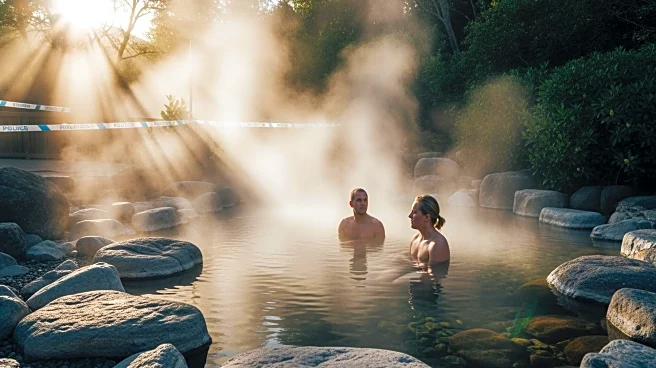
the thermal springs of Hot Springs National Park have been a place of healing and peace. Native American tribes, including the Caddo, Choctaw, and Cherokee, gathered in the "Valley of the Vapors" to enjoy the springs' reputed medicinal properties. The area was considered neutral ground, where tribes could set aside their differences and partake in the healing waters together.
This tradition of healing and peace continued as European settlers arrived and the area developed into a spa town. The springs' reputation for therapeutic benefits attracted visitors from all walks of life, creating a melting pot of cultures and social interactions. The park became a place where people could come together, relax, and rejuvenate, fostering a sense of community and shared experience.
A Hub of Social Activity
In the early 20th century, Hot Springs National Park became a vibrant social hub, attracting a diverse crowd of visitors. The park's bathhouses and hotels were frequented by celebrities, politicians, and even gangsters like Al Capone. The area was known for its lively social scene, with illegal gambling and speakeasies thriving during the Prohibition era.
The park's cultural significance extended beyond its social activities. It was a popular destination for Major League Baseball teams, who held their spring training in the area. This brought a new wave of visitors and added to the park's reputation as a place of leisure and recreation. The presence of notable figures and events contributed to the park's cultural legacy, making it a symbol of American social life in the early 20th century.
Preservation of Cultural Heritage
Today, Hot Springs National Park continues to preserve its cultural heritage through the conservation of its historic bathhouses and the stories they hold. Bathhouse Row, a National Historic Landmark District, showcases the grand architecture and cultural significance of the area. The Fordyce Bathhouse, now the park's visitor center, offers tours that provide insight into the park's rich history and cultural impact.
The park's ongoing preservation efforts ensure that future generations can experience and appreciate the cultural legacy of Hot Springs National Park. As a place of healing, social interaction, and cultural exchange, the park remains a testament to the enduring appeal of its thermal springs and the diverse cultural tapestry it has woven over the centuries.