





Surveyor 1 marked a significant milestone in space exploration as NASA's first successful lunar lander. Launched on May 30, 1966, it achieved a soft landing on the Moon on June 2, 1966. This mission was a crucial step in gathering data for the upcoming crewed Apollo Moon landings. Surveyor 1's journey was not just a technical achievement but also a testament to human ingenuity and determination in the quest to explore beyond Earth.
Launch and Landing
Surveyor 1 was launched
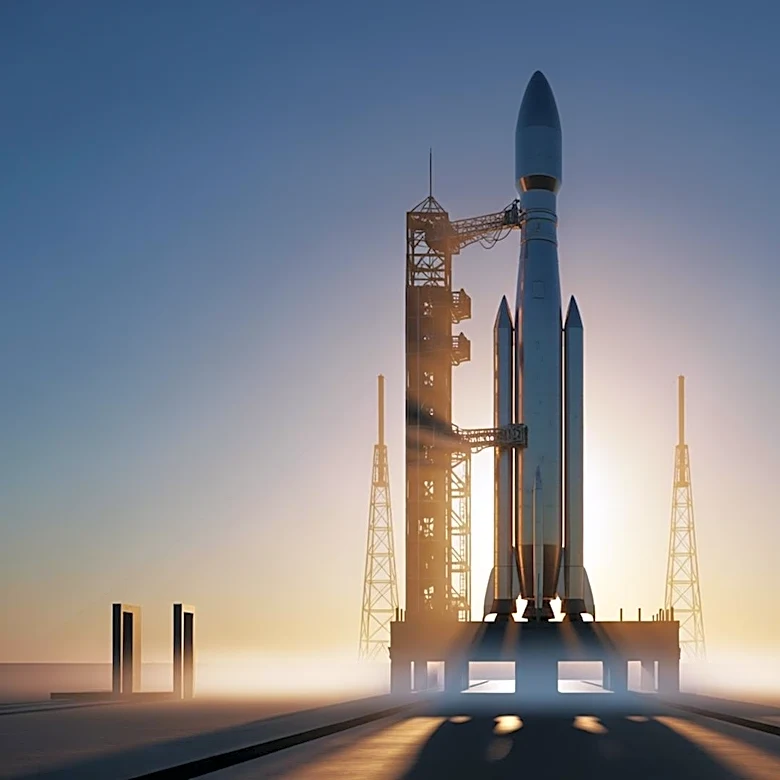
from Cape Canaveral Air Force Station in Florida. The mission was managed by the Jet Propulsion Laboratory, and the spacecraft was built by Hughes Aircraft Company. Unlike previous missions that required a parking orbit, Surveyor 1 was sent directly into a trajectory to the Moon. This direct approach was a bold move, reflecting the confidence and precision of the mission planners.
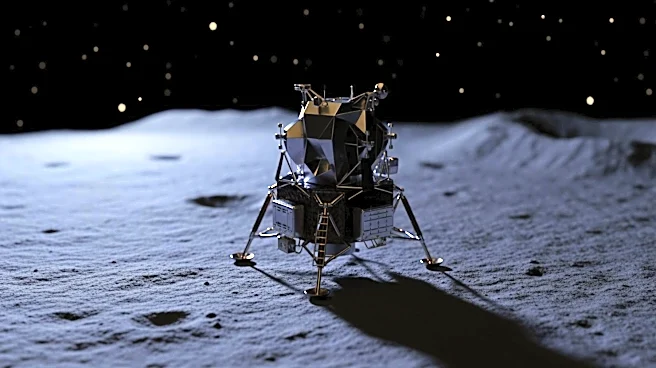
The spacecraft's landing on the Moon was a historic event, as it was the first successful soft landing by an American space probe on an extraterrestrial body. Surveyor 1 touched down on the Ocean of Storms, specifically in the northeast portion of the Flamsteed P crater. This achievement came just four months after the Soviet Union's Luna 9 probe made the first soft landing on the Moon.
Mission Achievements
Surveyor 1's primary mission was to gather data about the lunar surface, which was essential for the planning of the Apollo missions. The spacecraft was equipped with a television camera and a sophisticated radio-telemetry system, which allowed it to transmit 11,237 still photos of the lunar surface back to Earth. These images provided unprecedented insights into the Moon's terrain and surface conditions.
In addition to capturing images, Surveyor 1 collected data on the radar reflectivity and load-bearing strength of the lunar surface. This information was crucial for understanding the Moon's environment and ensuring the safety of future crewed landings. The mission's success demonstrated the feasibility of soft landings on the Moon, paving the way for more advanced lunar exploration.
Legacy and Impact
Surveyor 1's mission lasted until January 7, 1967, with several interruptions during the lunar nights. Despite these challenges, the mission was considered a resounding success. The data and images collected by Surveyor 1 were instrumental in the planning and execution of the Apollo missions, which ultimately led to humans walking on the Moon.
The success of Surveyor 1 also boosted confidence in NASA's capabilities and solidified the United States' position in the space race. It showcased the potential of robotic exploration and set the stage for future missions to the Moon and beyond. Surveyor 1's legacy lives on as a symbol of human curiosity and the relentless pursuit of knowledge.