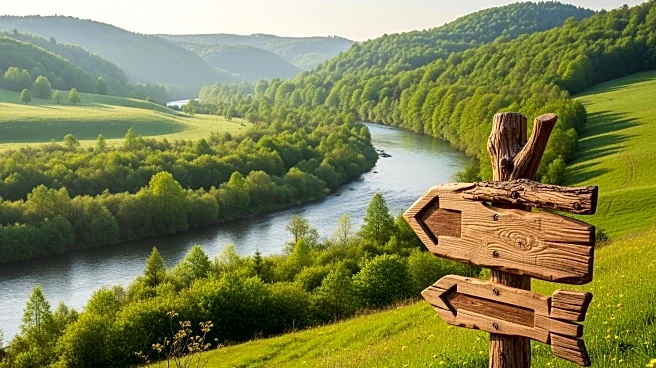



Eco-friendly and sustainable tourism is gaining traction in Serbia, reflecting a global trend towards more environmentally conscious travel. As tourists become increasingly aware of their ecological footprint, Serbia's natural reserves and parks have emerged as popular destinations for those seeking to experience the country's natural beauty responsibly.
Nature Reserves and Parks
Serbia is home to numerous nature reserves and parks, particularly in the western and southern
regions. These areas offer a haven for eco-tourists, providing opportunities to explore diverse ecosystems and witness the country's rich biodiversity. The focus on preserving natural habitats has made these locations attractive to visitors who prioritize sustainability.
Eco-tourism in Serbia is not just about enjoying the scenery; it also involves engaging with conservation efforts. Many reserves offer educational programs and guided tours that highlight the importance of protecting the environment. This approach helps raise awareness among tourists and encourages them to contribute to conservation initiatives.
Sustainable Practices in Tourism
The rise of eco-friendly tourism in Serbia is supported by the adoption of sustainable practices within the industry. Hotels and resorts are increasingly implementing measures to reduce their environmental impact, such as using renewable energy sources, minimizing waste, and promoting local products.
These efforts are complemented by initiatives to preserve cultural heritage and support local communities. By prioritizing sustainability, Serbia's tourism sector is not only protecting the environment but also enhancing the overall experience for visitors. This commitment to eco-friendly practices is helping to position Serbia as a destination that values ecological balance.
The Future of Eco-Tourism in Serbia
As the demand for eco-friendly travel continues to grow, Serbia is well-positioned to capitalize on this trend. The country's natural beauty, combined with its commitment to sustainability, makes it an appealing choice for eco-conscious travelers. By investing in infrastructure and promoting responsible tourism, Serbia can further strengthen its reputation as a leader in eco-tourism.
The future of eco-tourism in Serbia looks promising, with potential for growth in both domestic and international markets. As more tourists seek destinations that align with their environmental values, Serbia's focus on sustainable tourism could lead to increased visitor numbers and economic benefits.
In conclusion, the rise of eco-friendly tourism in Serbia reflects a broader shift towards sustainability in the travel industry. By embracing this trend, Serbia is not only preserving its natural resources but also enhancing its appeal as a destination that prioritizes environmental stewardship.