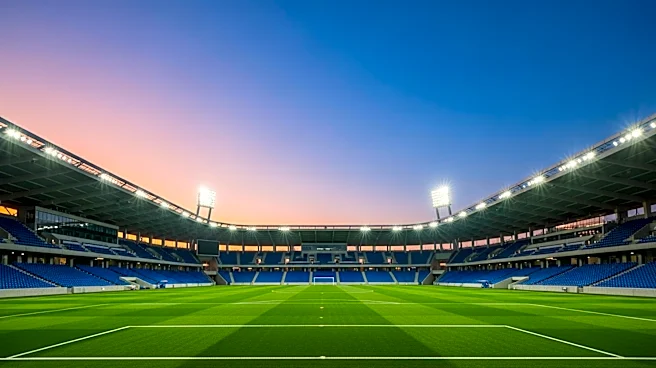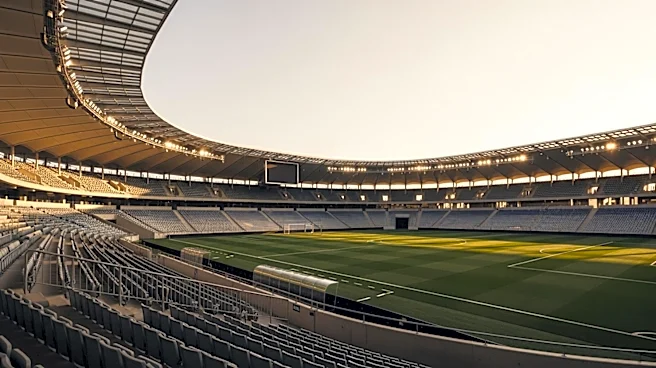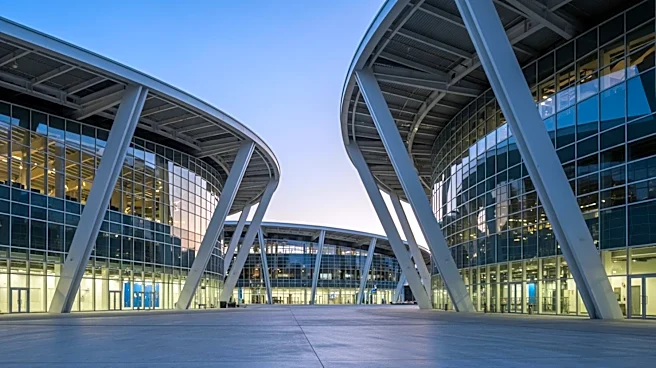








Shizuoka Stadium, located in Fukuroi, Japan, is a testament to modern architectural design and engineering. Known for its multifunctional capabilities, the stadium is a hub for sports and entertainment in the Shizuoka Prefecture. With a seating capacity of over 51,000, it stands as one of the largest stadiums in Japan, offering a unique blend of aesthetic appeal and practical functionality.
Design and Structure
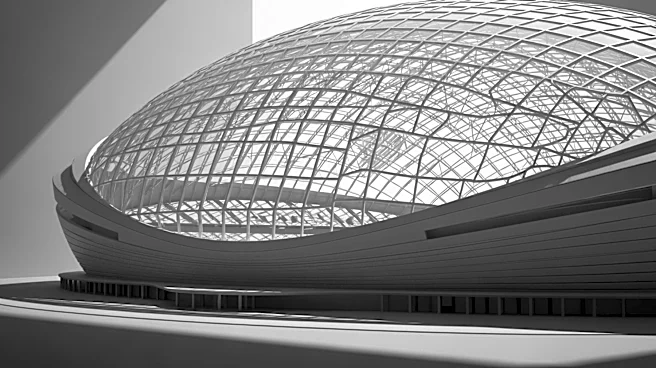
The stadium's design is characterized by its elliptical shape,
which is fully covered, providing protection from the elements for all spectators. This design choice not only enhances the visual appeal of the stadium but also ensures comfort during events. The structure is built using pre-stressed concrete, a material choice that offers durability and strength, essential for supporting large crowds and varied events.
Another notable feature is the stadium's retractable seating, which allows for adaptability depending on the event. This flexibility is crucial for accommodating different sports, including football and athletics. The stadium includes a 400-meter, nine-lane track for athletic events, further showcasing its multifunctional nature.
Technological Advancements
Shizuoka Stadium is equipped with advanced technology to enhance the spectator experience. Two large LCD screens, each measuring 20 by 10 meters, are installed at the top of the stadium's curves. These screens provide clear visibility of the action, ensuring that fans do not miss any critical moments during events.
The use of Teflon for the roof material is another technological advancement, offering lightweight yet durable coverage. This choice reflects a commitment to using modern materials that improve the overall functionality and longevity of the stadium.
Integration with Surroundings
The stadium is situated within a vast park area, covering approximately 83,000 square meters. This location not only provides ample space for the stadium itself but also includes additional facilities such as the Ecopa Arena, which hosts indoor sports and concerts. The integration of the stadium within this park setting enhances its appeal as a destination for both sports enthusiasts and those seeking leisure activities.
The surrounding area is designed to complement the stadium, with green spaces and walking paths that encourage visitors to explore and enjoy the environment. This thoughtful integration of the stadium with its surroundings highlights the importance of creating a venue that is not only functional but also harmonious with its environment.