
The Rio Grande, a major river forming part of the border between the United States and Mexico, has been at the center of water rights discussions for over a century. Since 1900, various treaties and agreements
have shaped how water from the Rio Grande is allocated and used by both countries. This article explores the historical development of these water rights and the ongoing challenges in managing this vital resource.
Early 20th Century Agreements
In the early 20th century, the need to manage the Rio Grande's water resources became increasingly apparent. The Rio Grande Project, approved by federal lawmakers in 1905, was one of the first major efforts to allocate the river's waters. This project aimed to divide the water between New Mexico and Texas based on the amount of irrigable land in each state. Additionally, it allocated 60,000 acre-feet of water annually to Mexico, addressing the country's demands for a share of the river's flow.
The construction of the Elephant Butte Dam on public lands was a significant outcome of this agreement. This dam was intended to store and regulate water for irrigation and other uses, marking the first congressionally directed allocation of an interstate river. Although New Mexico did not achieve statehood until 1912, the project laid the groundwork for future water management efforts along the Rio Grande.
The 1938 Rio Grande Compact
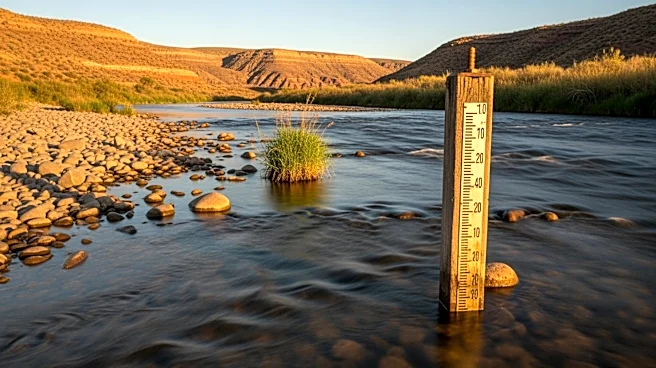
As the population and agricultural demands grew, so did the need for more comprehensive water management. The 1938 Rio Grande Compact was developed to address these challenges. This agreement involved Colorado, New Mexico, and Texas, and aimed to ensure fair distribution of the river's waters among the states. The compact established a commission to oversee water allocations and created a system of gaging stations to monitor river flow.
The compact also introduced a system of debits and credits to account for variations in water delivery. This system allowed for adjustments based on actual river flow, helping to prevent disputes among the states. Despite its initial success, the compact has faced challenges over the years, particularly during periods of drought when water shortages have strained relations between the states.
Modern Challenges and Treaties
In 1944, the United States and Mexico signed a treaty to further define water rights along the Rio Grande. This treaty aimed to address ongoing disputes and ensure a more equitable distribution of the river's waters. However, the treaty has not been without its challenges. Drought conditions and increased water demand have led to calls for a reexamination of the treaty's provisions.
The International Boundary and Water Commission (IBWC) oversees the implementation of these agreements, working to resolve disputes and manage the river's resources. Despite these efforts, water rights along the Rio Grande remain a contentious issue, with ongoing debates over how best to balance the needs of agriculture, urban areas, and the environment.