






Pacifiers have become a staple in soothing infants, but their journey to modern-day use is a fascinating tale of innovation and adaptation. Originally developed as a substitute for teething rings and sugar rags, pacifiers have evolved significantly over the years. This article delves into the historical progression of pacifiers, highlighting key milestones and changes in design that have shaped their current form.
Early Substitutes and Innovations
The concept of pacifiers can be traced
back to the 19th century when sugar rags were commonly used in America. These were small pieces of linen filled with sugar, tied into a ball, and given to babies to suck on. Similar practices were observed in Northern Europe, where rags with foodstuffs or even brandy were used to soothe infants. In German-speaking areas, cloth wrapped around sweetened bread or poppy seeds served a similar purpose.
By the late 19th century, pacifiers began to take on a more recognizable form. The development of hard teething rings provided a more durable option for soothing infants. These rings were often made from coral, ivory, or bone, and sometimes mounted in silver. The use of these materials was believed to offer symbolic strength to help children cope with teething pain.
The Birth of the Modern Pacifier
The modern pacifier design emerged around 1900, thanks to Christian W. Meinecke, a New Jersey pharmacist. He patented the first teat, shield, and handle design, which laid the foundation for the pacifiers we see today. Rubber, already used in flexible teethers and feeding-bottle teats, became a popular material for pacifiers.
In the early 20th century, pacifiers were manufactured with a choice of black, maroon, or white rubber. However, the white rubber contained lead, which posed health risks. Despite these concerns, pacifiers gained popularity, especially among the poorer classes, as they were seen as a practical solution for soothing infants.
Modern Developments and Challenges
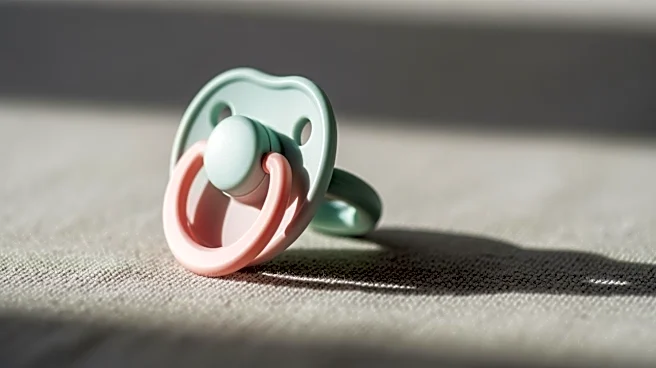
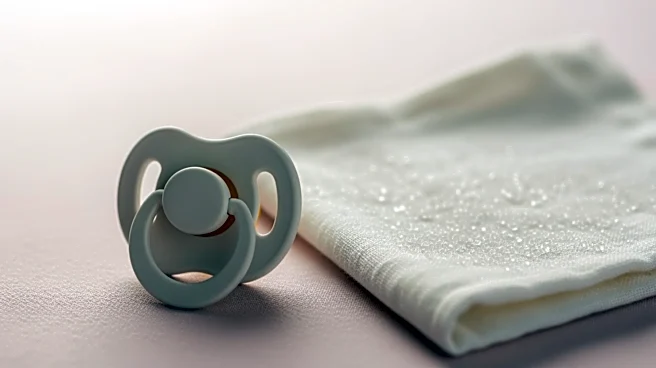
Today, pacifiers are made from silicone or plastic, offering safer and more hygienic options for infants. The design typically includes an elongated teat, a handle, and a mouth shield to prevent choking. Despite their widespread use, pacifiers have faced criticism over potential dental issues and interference with breastfeeding.
The American Academy of Pediatrics suggests avoiding pacifiers for the first month to prevent nipple confusion. However, pacifiers have been associated with a lower risk of sudden infant death syndrome (SIDS), providing a compelling reason for their continued use.
Pacifiers have come a long way from their humble beginnings as sugar rags. Their evolution reflects advancements in materials and design, as well as changing attitudes towards infant care. As they continue to be a source of comfort for babies worldwide, pacifiers remain an essential tool in parenting.