



The Cobra Pose, known as Bhujangasana in Sanskrit, is a well-known yoga posture that has been practiced for centuries. This reclining back-bending asana is a staple in both hatha yoga and modern yoga exercises. It is also a part of the Surya Namaskar, or Salute to the Sun, sequence. The pose's history and evolution offer a fascinating glimpse into the world of yoga and its adaptation over time.
Historical Roots of the Cobra Pose
The name "Bhujangasana" is derived from the Sanskrit words
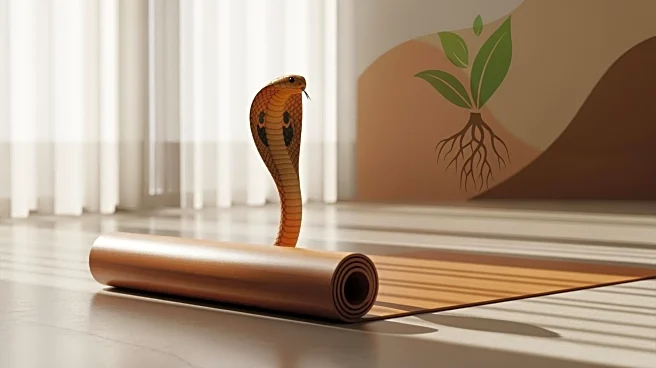
"bhujaṅga," meaning snake, and "āsana," meaning posture or seat. This name reflects the pose's resemblance to a snake with its head raised. The Cobra Pose was first described in the 17th-century hatha yoga text, the Gheranda Samhita, specifically in chapter 2, verses 42-43. This early mention highlights the pose's longstanding presence in yoga traditions.
In the 19th century, the pose was referred to as "Sarpasana" or "Serpent Pose" in the Sritattvanidhi, another significant yoga text. The term "sarpa" also means serpent or snake, further emphasizing the pose's snake-like appearance. These historical references indicate that the Cobra Pose has been a part of yoga practice for several centuries, evolving in its interpretation and execution over time.
The Cobra Pose in Modern Yoga
In modern yoga, the Cobra Pose is a fundamental part of many yoga sequences, particularly in the Surya Namaskar. It serves as an alternative to the Upward Dog Pose, or Urdhva Mukha Svanasana, in this sequence. The pose is characterized by a gentle backbend, where the practitioner lies prone, places their palms under their shoulders, and lifts their chest while keeping their legs on the ground.
The Cobra Pose has also been adapted into various forms, such as the Sphinx Pose in Yin Yoga. This variation, sometimes called Salamba Bhujangasana or "Supported Cobra Pose," involves resting the forearms on the ground for a gentler backbend. These adaptations demonstrate the pose's versatility and its ability to cater to different levels of flexibility and strength.
The Influence of Cobra Pose on Yoga Practice
The Cobra Pose's inclusion in the Surya Namaskar sequence has contributed to its widespread popularity. This sequence, often used as a warm-up in yoga classes, incorporates a series of poses that flow together, promoting flexibility and strength. The Cobra Pose's role in this sequence highlights its importance in preparing the body for more advanced postures.
Additionally, the Cobra Pose is often used to alleviate menstrual cramps by gently stretching the abdomen and lower back. This therapeutic application underscores the pose's benefits beyond physical fitness, offering relief and relaxation to practitioners.
Overall, the Cobra Pose's rich history and adaptability have cemented its place in yoga practice. Its evolution from ancient texts to modern adaptations reflects the dynamic nature of yoga and its ability to meet the needs of practitioners across different eras.