
Bogs have been a part of the Earth's landscape for thousands of years, playing a significant role in various cultures and ecosystems. These wetlands, characterized by their peat accumulation, have a rich
history that spans from the postglacial period to modern conservation efforts. Understanding the historical development of bogs provides insight into their ecological importance and the challenges they face today.
Formation and Development
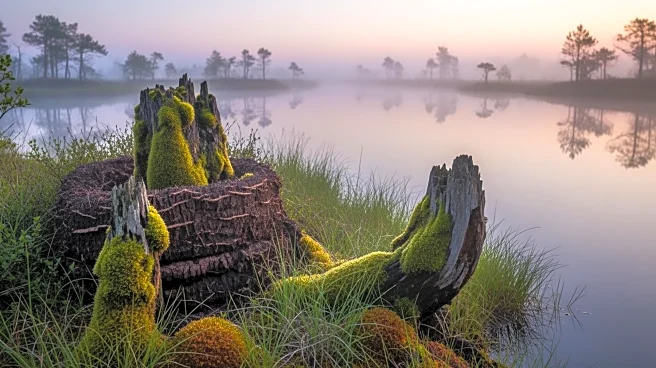
Bogs began forming approximately 10,000 years ago during the postglacial period. As glaciers retreated, they left behind poorly draining lake basins, which became the ideal environment for bog formation. Over time, the accumulation of decayed plant material, primarily sphagnum moss, led to the development of peat. This process is slow, with peat accumulating at a rate of about a millimeter per year.
The formation of bogs is influenced by various factors, including climate and topography. Raised bogs, for example, develop from lakes or flat marshy areas and eventually form a dome of peat. Blanket bogs, on the other hand, occur in cool climates with high rainfall, covering large areas of land. These different types of bogs highlight the diverse conditions under which they can form.
Cultural Significance
Throughout history, bogs have held cultural significance for many societies. In ancient times, they were often seen as mystical places, associated with rituals and sacrifices. The discovery of bog bodies, such as the Tollund Man, provides evidence of human activity in these wetlands. These bodies, preserved by the acidic conditions of bogs, offer a glimpse into past cultures and their practices.
Bogs have also been used for practical purposes, such as peat extraction for fuel. In countries like Ireland and Russia, peat has been harvested for centuries to provide heat and energy. This practice, while economically beneficial, has contributed to the degradation of bogs and the release of stored carbon.
Modern Conservation Efforts
In recent years, the importance of bogs in carbon sequestration and biodiversity has led to increased conservation efforts. Governments and organizations worldwide recognize the need to protect these fragile ecosystems from further degradation. In the United Kingdom, bog habitats are prioritized for conservation, while Russia has established reserves to safeguard its peatlands.
Despite these efforts, bogs continue to face threats from human activities. Drainage, peat cutting, and climate change pose significant challenges to their preservation. As awareness of their ecological importance grows, it is crucial to implement effective conservation strategies to ensure the long-term survival of bogs and their historical legacy.