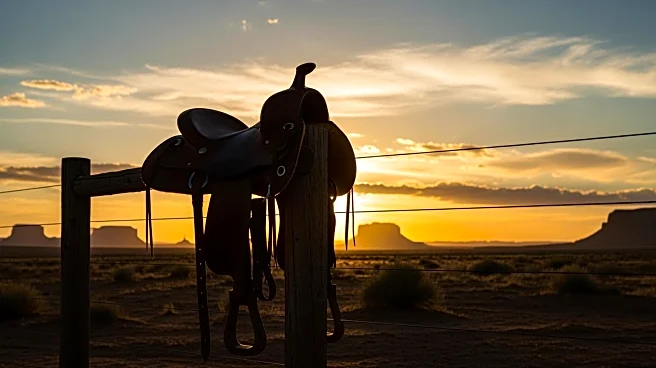

Blazing Saddles, a 1974 satirical Western comedy film, is a testament to the chaotic yet creative process that brought it to life. Directed by Mel Brooks, the film is known for its bold humor and satirical take
on the Western genre. The journey from concept to screen was anything but straightforward, involving a mix of creative minds and a whirlwind of ideas.
A Story Born from Chaos
The idea for Blazing Saddles originated from a story outline by Andrew Bergman, initially intended to be developed and produced by him. The original title, Tex-X, was a play on Malcolm X's name, and the project was set to be directed by Alan Arkin with James Earl Jones as the sheriff. However, this plan fell apart, leading Mel Brooks to take an interest in the story. Brooks described the writing process as chaotic, with a team of writers including Richard Pryor, Norman Steinberg, and Alan Uger contributing to the screenplay.
Brooks was known for his unconventional approach, famously posting a sign that read, "Please do not write a polite script." The writing sessions were described as a "drunken fistfight," with Brooks having the final say on what made it into the film. Despite the chaos, this collaborative effort resulted in a screenplay that pushed boundaries and challenged social norms.
Casting Challenges and Decisions
Casting for Blazing Saddles was as tumultuous as its writing process. Richard Pryor was Brooks' original choice for the role of Sheriff Bart, but due to concerns about Pryor's insurability, the role went to Cleavon Little. Gene Wilder, who played the Waco Kid, was not the first choice either. John Wayne was offered the role but declined, and Gig Young was initially cast but had to be replaced by Wilder after collapsing on set.
Madeline Kahn, who played Lili Von Shtupp, was another key casting decision. Her audition was memorable, as she humorously responded to Brooks' request to see her legs by saying, "No touching." The film's casting choices, though fraught with challenges, ultimately contributed to its unique and memorable character dynamics.
Filming and Studio Battles
Filming began in March 1973, and Brooks faced numerous conflicts with Warner Bros. executives over the film's content. The use of racial slurs, a controversial seduction scene, and a campfire flatulence sequence were points of contention. However, Brooks' contract granted him final cut, allowing him to retain these elements, which were crucial to the film's satirical edge.
Despite initial skepticism from studio executives, Blazing Saddles was released to critical acclaim and commercial success. It grossed $119.6 million against a $2.6 million budget and was later preserved in the National Film Registry for its cultural significance. The film's chaotic creation process, marked by creative freedom and bold choices, played a significant role in its enduring legacy as a comedy classic.