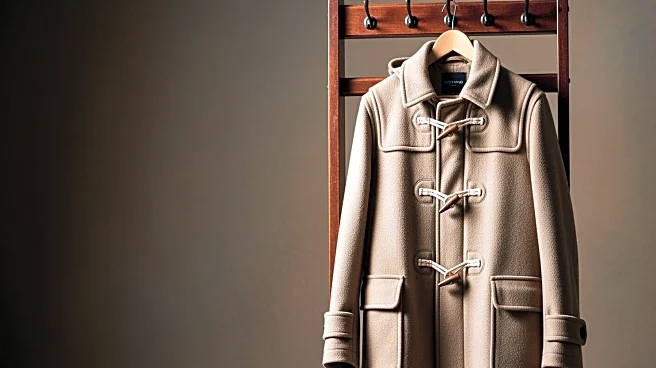

In medieval England, the term "wardrobe" held a significance far beyond its modern-day association with clothing storage. It was an integral part of the royal administration, responsible for managing the king's
clothing, armor, and other personal items. This article explores the role of the wardrobe as a government office, highlighting its importance in the medieval English court.
The Wardrobe as a Government Office
The concept of the wardrobe as a government office emerged in medieval England, where it played a crucial role in the administration of the royal household. Initially, the wardrobe was a room used to store the king's robes, armor, and arms. However, by the end of the 13th century, it had evolved into a small organization within the main wardrobe, headed by a clerk. This itinerant office traveled with the court, providing the king with essential items during his journeys.
The wardrobe's responsibilities extended beyond clothing and armor. It was also tasked with managing the king's treasure, including gold and other precious items. This made the wardrobe a vital component of the royal administration, as it provided the king with the resources needed for diplomatic and military operations.
The Privy Wardrobe and Its Functions
Within the broader structure of the wardrobe, the Privy Wardrobe emerged as a specialized department. It was responsible for the storage and manufacture of arms and armor, particularly at the Tower of London. This central Privy Wardrobe became the main repository for military supplies, playing a key role in the kingdom's defense.
The Privy Wardrobe's significance grew over time, as it became more autonomous and specialized. It was directly accountable to the Exchequer, reflecting its importance in the royal administration. The Privy Wardrobe's focus on arms and armor made it a critical component of the kingdom's military strategy, ensuring that the king was well-equipped for any conflict.
The Decline of the Wardrobe's Influence
Despite its initial prominence, the influence of the wardrobe began to wane by the 15th century. As the royal court became less mobile, the need for an itinerant wardrobe diminished. Additionally, the rise of other administrative offices, such as the Exchequer and the Chancery, further reduced the wardrobe's role in government.
By the end of the medieval period, the wardrobe had largely lost its status as a key administrative office. However, its legacy as a symbol of power and organization in the royal household remains an important part of England's history. The wardrobe's evolution from a simple storage room to a central government office highlights its significance in the medieval English court.