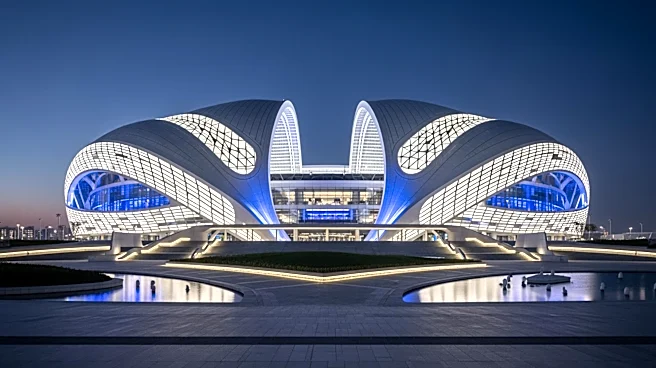







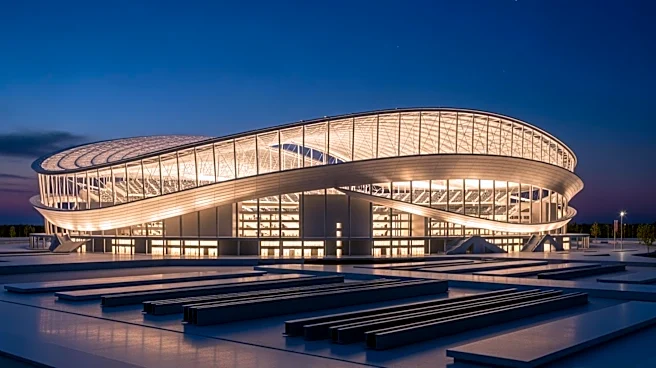


Education City Stadium, located in Al Rayyan, Qatar, is not just a venue for sports events but a testament to modern architectural innovation. Opened in June 2020, this stadium was designed with both functionality and aesthetics in mind, making it a standout structure in the world of sports architecture. With a capacity of 44,667, it played a significant role during the 2022 FIFA World Cup, hosting several matches and showcasing its unique design to a global
audience.
Design and Construction
The construction of Education City Stadium began in 2016 and was completed in 2020. The stadium is situated in the Education City campus, which is home to several international universities. This location not only highlights the stadium's connection to education and culture but also its accessibility, being just 500 meters from the nearest metro station. The design was a collaborative effort by Fenwick Iribarren Architects and Pattern Architects, who aimed to create a structure that was both visually striking and environmentally sustainable.
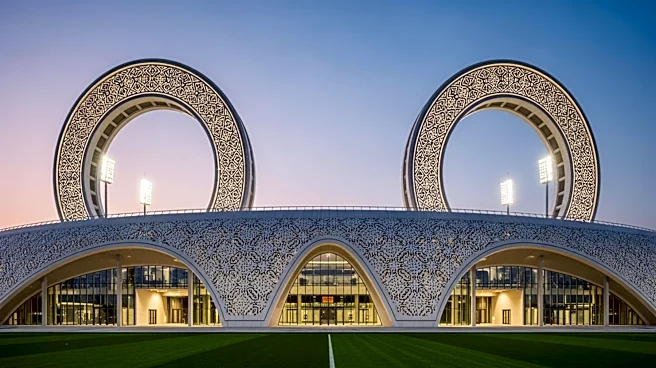
The stadium's design is characterized by its diamond-like facade, which is made up of metallic panels that shimmer in the sunlight. This design choice not only gives the stadium its nickname, the "Desert Diamond," but also serves a practical purpose. The panels are arranged in a way that allows the stadium to reflect sunlight during the day and glow with LED lights at night, creating a stunning visual effect.
Sustainability Features
Sustainability was a key consideration in the design of Education City Stadium. The stadium incorporates several eco-friendly features, such as solar panels that provide 20% of the energy needed for its operations. Additionally, the stadium's water systems are designed to save approximately 55% more water compared to traditional stadiums, thanks to low-flow installations.
The stadium's construction also took into account the harsh climate of Qatar. It was built slightly below ground level, which helps with thermal insulation and temperature control. This design ensures that the interior remains comfortable for both players and spectators, maintaining a temperature between 24-28 degrees Celsius regardless of the outside weather.
Interior and Facilities
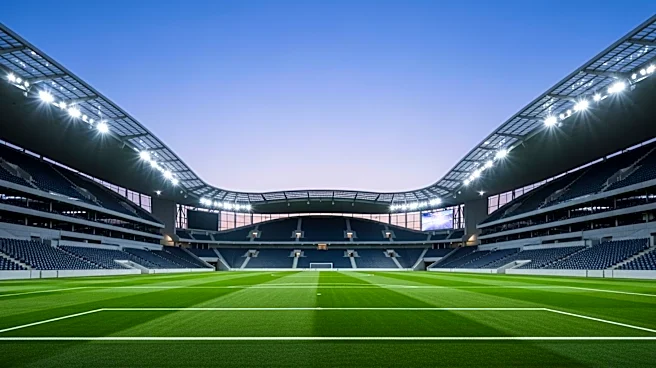
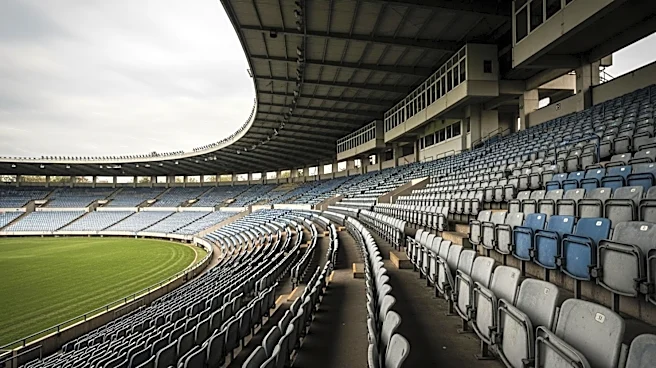
Inside, the stadium boasts a three-tiered seating arrangement, all of which are covered to protect spectators from the elements. The seating capacity is 44,667, but post-World Cup plans include reducing this to around 25,000 by removing the upper tier. This reduction will allow the stadium to better serve the local community and reduce maintenance costs.
The stadium also features 39 skyboxes, each equipped with its own kitchen, and six media pavilions. A conference room with a capacity of 150 people is also available, making the stadium a versatile venue for various events. The thoughtful design and state-of-the-art facilities of Education City Stadium make it a prime example of how modern architecture can blend beauty, functionality, and sustainability.