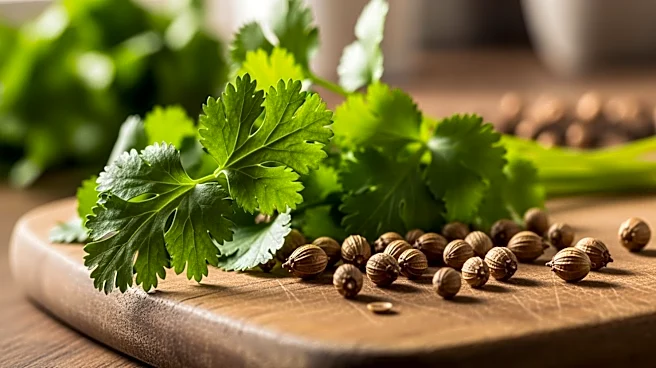


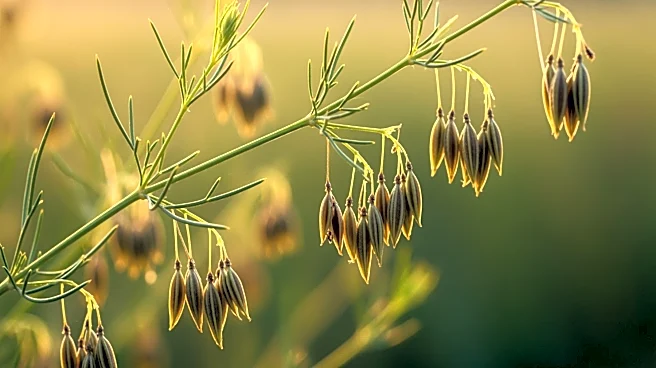

Coriander, known scientifically as Coriandrum sativum, is a versatile herb that plays a significant role in various cuisines around the world. While its leaves are commonly referred to as cilantro in the United States, the entire plant, including its seeds, is used in cooking. This article delves into the culinary applications of coriander, highlighting its importance in different cultural dishes and its unique flavor profile.
Coriander in Global Cuisines
Coriander is a staple
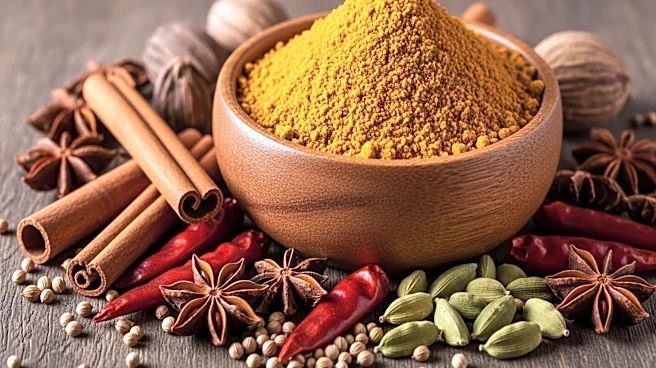
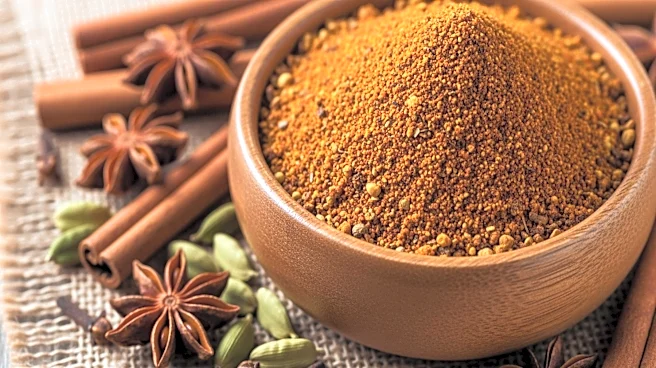
in many global cuisines, including Peruvian, Mexican, Indian, and Southeast Asian. In these regions, both the leaves and seeds are utilized to enhance the flavor of dishes. In Mexican cuisine, cilantro is a key ingredient in salsas and guacamole, providing a fresh, citrusy note that complements the heat of chili peppers. Similarly, in Indian cooking, coriander seeds are often ground into a spice blend known as garam masala, which is used to season curries and other dishes.
In Southeast Asia, coriander leaves are frequently used as a garnish for soups and salads, adding a burst of freshness. The seeds, on the other hand, are used in various spice mixes and pastes, contributing a warm, nutty flavor. The versatility of coriander allows it to be incorporated into a wide range of dishes, making it an essential herb in many culinary traditions.
The Unique Flavor Profile of Coriander
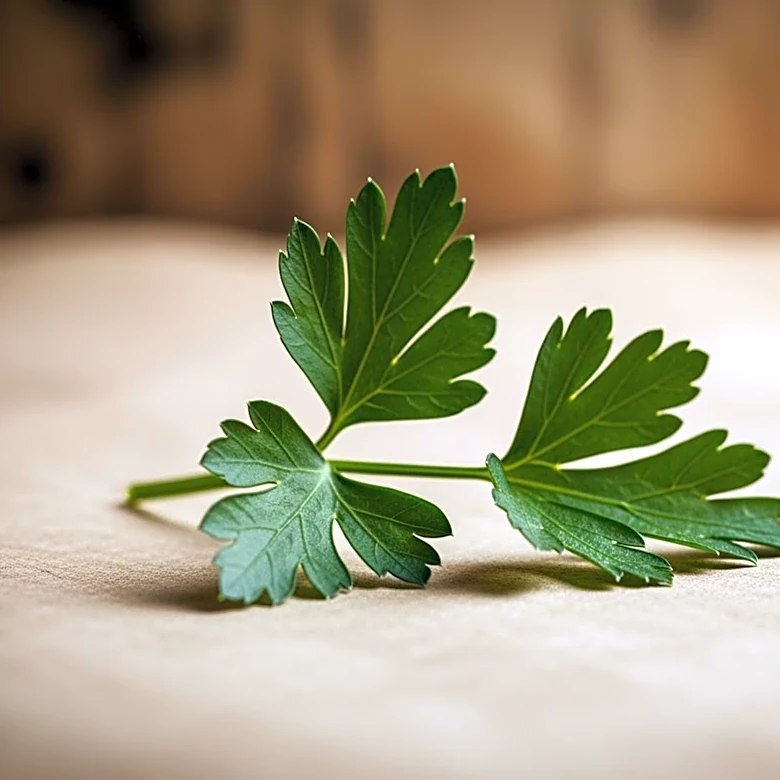
Coriander's flavor profile is complex and varies between its leaves and seeds. The leaves are known for their fresh, slightly citrus taste, which some people describe as lemony or lime-like. However, due to genetic variations, some individuals perceive the taste of cilantro as soapy or unpleasant. This is attributed to the presence of aldehydes, which are also found in soaps and lotions.
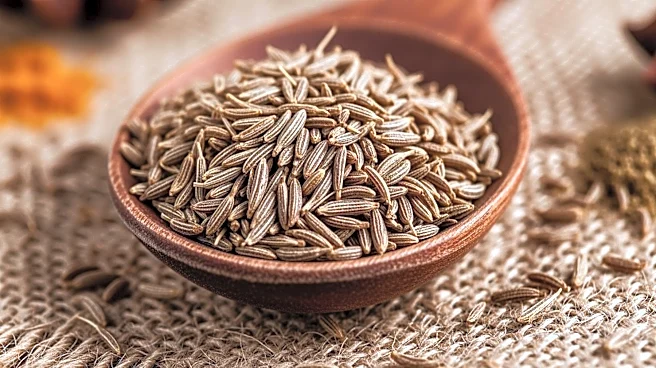
The seeds of coriander, often referred to as coriander seeds, have a different flavor altogether. When crushed, they release a lemony citrus aroma, thanks to the terpenes linalool and pinene. These compounds give the seeds a warm, spicy, and slightly orange-flavored profile, making them a popular choice for seasoning meats, vegetables, and even baked goods.
Coriander's Role in Modern Cooking
In modern cooking, coriander continues to be a popular ingredient due to its versatility and unique flavor. Chefs and home cooks alike appreciate its ability to enhance the taste of both savory and sweet dishes. In addition to traditional uses, coriander seeds are now being used in innovative ways, such as in the brewing of certain styles of beer, particularly Belgian wheat beers, where they add a citrus character.
Coriander is also a key botanical in the production of gin, contributing to the spirit's distinctive flavor. Its essential oil has been studied for its potential antibacterial properties, further showcasing the herb's diverse applications. Whether used as a garnish, spice, or flavoring agent, coriander remains a beloved ingredient in kitchens worldwide.