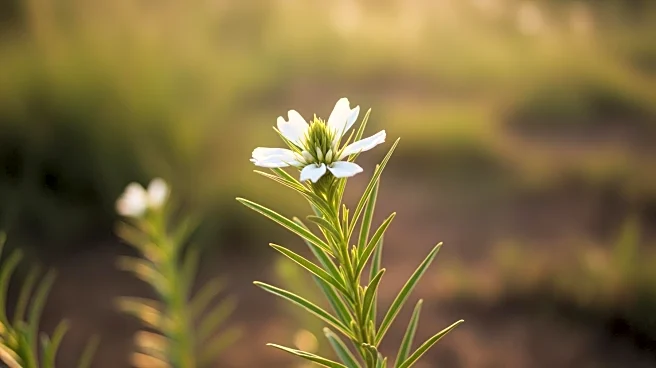

Chlorogalum, commonly known as the soap plant, has been an integral part of the cultural and practical lives of Native American tribes and early European settlers in California and Oregon. This genus of flowering
plants, belonging to the Asparagaceae family, is renowned for its unique soap-like properties. The historical uses of Chlorogalum highlight its significance beyond mere botanical interest, showcasing its role in daily life and survival.
Traditional Uses by Native American Tribes
Native American tribes, such as the Miwok and Karuk, have long utilized Chlorogalum for its cleansing properties. The bulbs of the plant contain saponins, which produce a lather when mixed with water. This natural soap was particularly effective for washing hair, as it was believed to combat dandruff. The Miwok tribe, among others, relied on Chlorogalum pomeridianum, the wavy-leafed soap plant, for these purposes.
In addition to its use as a detergent, Chlorogalum played a role in traditional fishing practices. Tribes like the Lassik, Luiseño, and Mattole used the bulb juices to stun fish, making them easier to catch. This method involved pulverizing the roots and mixing the powder in water to create a foam, which was then added to streams. The saponins in the bulbs were toxic to fish, allowing for efficient harvesting.
Culinary and Medicinal Applications
While the bulbs of Chlorogalum are poisonous due to their saponin content, they can be consumed after thorough cooking. The Miwok and Chumash people roasted the bulbs as a winter food, taking advantage of their nutritional value. The young leaves of certain species were also edible, providing a source of sustenance during lean times.
Medicinally, Chlorogalum bulbs were used both externally and internally. Externally, they served as antiseptic poultices and rubs for rheumatism. Internally, decoctions of the bulbs were used as diuretics, laxatives, and remedies for stomachaches. These applications underscore the plant's versatility and importance in traditional medicine.
The Legacy of Chlorogalum in Modern Times
Today, the historical uses of Chlorogalum continue to be recognized for their ingenuity and practicality. The plant's role in traditional practices reflects the deep connection between indigenous peoples and their natural environment. Chlorogalum's ability to provide cleansing, food, and medicinal benefits illustrates the resourcefulness of Native American tribes in utilizing available resources.
The legacy of Chlorogalum serves as a reminder of the rich cultural heritage and knowledge of indigenous peoples. As interest in natural and sustainable practices grows, the historical uses of Chlorogalum offer valuable insights into the potential applications of native plants. This enduring legacy highlights the importance of preserving traditional knowledge and respecting the natural world.