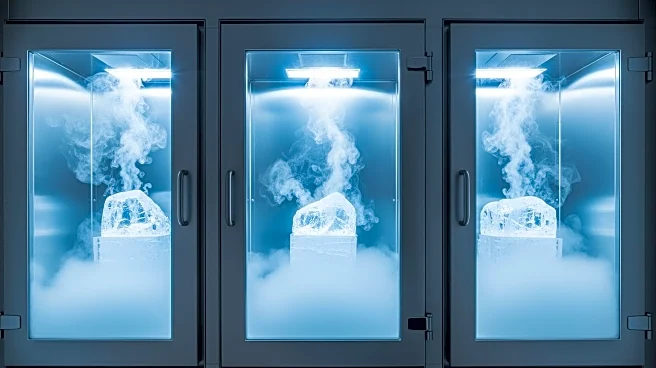

Freeze drying, or lyophilization, is a vital process in the pharmaceutical and biotechnology industries. This method of dehydration involves freezing the product and then reducing the pressure to allow
the ice to sublimate, resulting in a stable, dry product. Freeze drying is particularly valuable for preserving the integrity and efficacy of pharmaceuticals and biological materials, making it an essential tool in these fields.
Benefits in Pharmaceuticals
In the pharmaceutical industry, freeze drying is used to increase the shelf life of various products, including live virus vaccines, biologics, and other injectables. By removing water from the material and sealing it in a glass vial, the product can be stored and transported without the need for refrigeration. This is especially important for vaccines and other temperature-sensitive products, as it ensures their stability and viability over extended periods.
Freeze drying also allows for the production of tablets or wafers with less excipient, resulting in a rapidly absorbed and easily administered dosage form. This is particularly beneficial for patients who require precise dosing and quick absorption of medication. The process also plays a role in the purification of pharmaceuticals, as it can effectively remove solvents and concentrate substances with low molecular weights.
Applications in Biotechnology
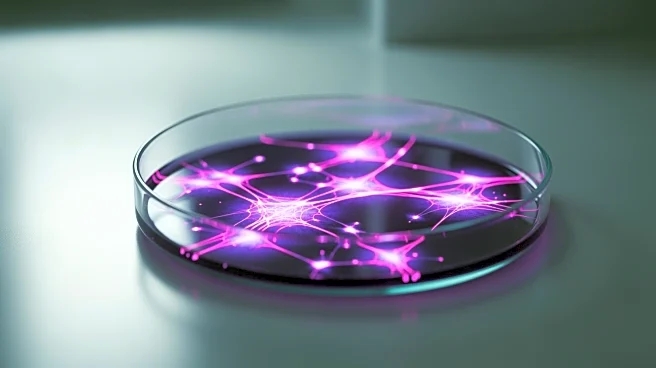
In biotechnology, freeze drying is used to preserve live cell cultures and other sensitive biological materials. The process allows for the long-term storage of these materials without compromising their viability. An excipient, or cryoprotectant, may be added to protect the cells during the freeze drying process, ensuring they can be reconstituted into a live, functional state when needed.
Freeze drying is also used in bioseparations as a late-stage purification procedure. It can remove solvents and concentrate substances that are too small to be removed by filtration membranes. This makes freeze drying an invaluable tool for preserving the integrity of proteins, enzymes, and other heat-sensitive products.
The Future of Freeze Drying in Pharmaceuticals and Biotechnology
As technology continues to advance, the applications of freeze drying in pharmaceuticals and biotechnology are likely to expand. The process offers a unique combination of preserving stability and extending shelf life, making it an attractive option for manufacturers. With ongoing research and development, freeze drying may become even more efficient and cost-effective, further solidifying its role in these critical industries.