
Concussions are a prevalent issue in sports, prompting the development of various prevention strategies. These strategies aim to reduce the risk of concussions and ensure the safety of athletes. This article
provides an overview of the different approaches to concussion prevention, including rule changes, educational programs, and technological advancements.
Rule Changes and Enforcement
One of the most effective ways to prevent concussions in sports is through rule changes and strict enforcement. Sports organizations have implemented rules to minimize high-risk behaviors that lead to concussions. For example, the National Football League (NFL) has enforced rules against "head-down tackling" and "spearing," which are associated with high injury rates. These rule changes aim to reduce the likelihood of concussions by discouraging dangerous play.
In addition to rule changes, the enforcement of existing rules plays a crucial role in concussion prevention. Ensuring that referees and officials consistently apply these rules helps maintain a safer playing environment. By promoting fair play and minimizing aggressive behavior, sports organizations can significantly reduce the risk of concussions.
Educational Programs and Awareness
Education is a vital component of concussion prevention. Programs designed to raise awareness about the risks of concussions and the importance of brain safety are essential for athletes, coaches, and parents. The Centers for Disease Control and Prevention (CDC) has developed the HEADS UP app, which educates children about concussion risks and safety measures.
These educational initiatives aim to change the culture around concussions, encouraging athletes to report symptoms and seek medical attention. By fostering an environment where concussions are taken seriously, educational programs can help prevent undiagnosed and repeat injuries. This proactive approach ensures that athletes receive the care they need and reduces the risk of long-term consequences.
Technological Advancements
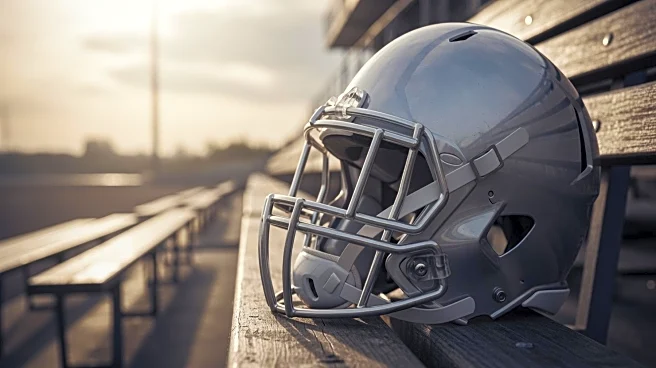
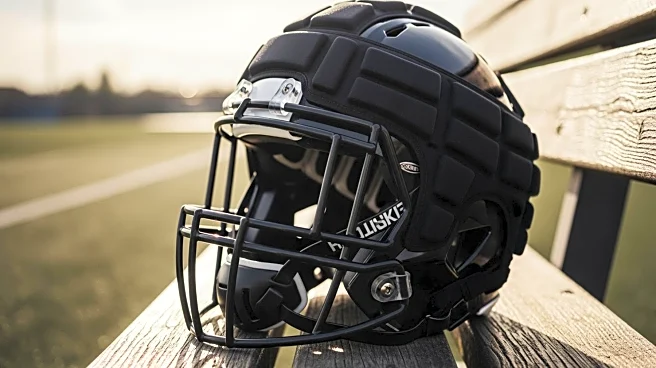
Technological advancements are playing an increasingly important role in concussion prevention. Innovations such as the Head Impact Telemetry System are being integrated into helmets to study injury mechanisms. These technologies provide valuable data on head impacts, helping researchers develop more effective protective gear.
In addition to helmet technology, other innovations are being tested in various sports. For example, the Swiss National Ice Hockey League is experimenting with helmet-integrated sensors and analysis software to monitor brain injury risk during games. These systems offer real-time data on head impacts, allowing for immediate assessment and intervention.
As technology continues to evolve, it holds the potential to significantly enhance concussion prevention efforts. By combining rule changes, education, and technological advancements, sports organizations can create a comprehensive approach to reducing the risk of concussions and ensuring the safety of athletes.