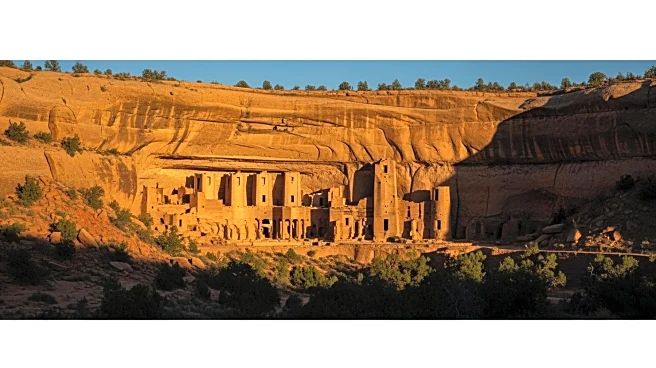




Mesa Verde National Park, located in Montezuma County, Colorado, is a site of immense historical importance. Established in 1906, it was the first national park in the United States created to preserve the works of humans rather than natural features. The park is renowned for its well-preserved cliff dwellings, which were built by the Ancestral Puebloans, also known as the Anasazi. These structures offer a glimpse into the lives of the people who
inhabited the region from approximately 600 to 1300 AD.
The Creation of the Park
Mesa Verde National Park was established on June 29, 1906, by President Theodore Roosevelt. The park was created to protect the archaeological sites of the Ancestral Puebloans, who had built intricate stone villages in the cliffs of the region. The establishment of the park marked a significant shift in the United States' approach to conservation, as it was the first time a national park was created to preserve cultural heritage rather than natural landscapes.
The park covers an area of 52,485 acres and is home to over 4,700 archaeological sites, including 600 cliff dwellings. These sites provide valuable insights into the lives of the Ancestral Puebloans, who were skilled builders and farmers. The park's creation was a response to the growing awareness of the need to protect these cultural treasures from looting and destruction.
The Ancestral Puebloans
The Ancestral Puebloans, also known as the Anasazi, were the original inhabitants of the Mesa Verde region. They are believed to have settled in the area around 550 AD, initially living in pithouses on the mesa tops. Over time, they developed more complex stone structures, eventually building the cliff dwellings for which Mesa Verde is famous.
These cliff dwellings, such as the Cliff Palace, are considered some of the most significant archaeological sites in North America. The Ancestral Puebloans were adept at utilizing the natural landscape to create defensible and sustainable living spaces. Their society was highly organized, with a strong emphasis on community and agriculture. The reasons for their eventual departure from the region around 1300 AD remain a topic of debate among historians and archaeologists.
Preservation and Legacy
Since its establishment, Mesa Verde National Park has been a focal point for archaeological research and preservation efforts. The park's designation as a UNESCO World Heritage Site in 1978 further underscores its global significance. Efforts to preserve the park's archaeological sites have been ongoing, with initiatives to stabilize and restore the cliff dwellings and other structures.
The park continues to attract visitors from around the world, offering a unique opportunity to explore the rich cultural heritage of the Ancestral Puebloans. Through guided tours and educational programs, visitors can gain a deeper understanding of the history and significance of this remarkable site. Mesa Verde National Park stands as a testament to the ingenuity and resilience of the Ancestral Puebloans and serves as a reminder of the importance of preserving cultural heritage for future generations.