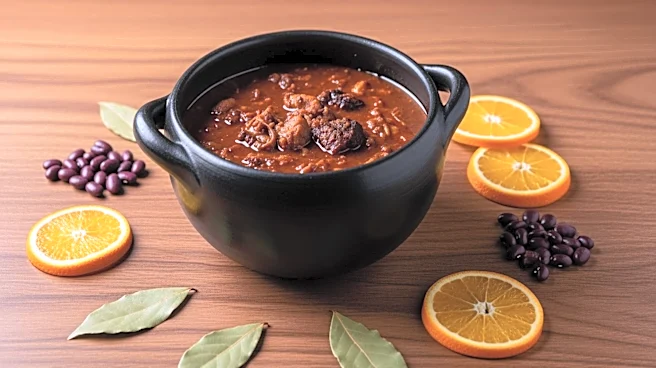






Feijoada is widely regarded as Brazil's national dish, a hearty stew that embodies the country's rich culinary heritage. This beloved dish is a staple in Brazilian households and restaurants, enjoyed by locals and visitors alike. In this article, we explore the origins, ingredients, and cultural significance of feijoada, highlighting its place in Brazilian cuisine.
Origins and Ingredients
Feijoada has its roots in Portuguese cuisine, with influences from African and indigenous
cooking traditions. The dish is believed to have originated during the colonial period, when enslaved Africans adapted Portuguese stews using available ingredients. Over time, feijoada evolved into a uniquely Brazilian dish, reflecting the country's diverse cultural influences.
The main ingredients in feijoada are black beans, pork, and beef, which are slow-cooked together to create a rich and flavorful stew. Traditional recipes often include a variety of pork cuts, such as sausage, bacon, and ribs, as well as beef cuts like jerky or tongue. The dish is typically seasoned with garlic, onions, and bay leaves, adding depth and complexity to the flavors.
Serving and Accompaniments
Feijoada is traditionally served with a variety of accompaniments that enhance its flavors and textures. Rice is a common side dish, providing a neutral base that complements the rich stew. Farofa, a toasted manioc flour mixture, adds a crunchy texture, while collard greens provide a fresh and slightly bitter contrast.
Orange slices are often served alongside feijoada, offering a refreshing and tangy counterpoint to the hearty stew. The combination of these elements creates a balanced and satisfying meal that is both comforting and flavorful. Feijoada is typically enjoyed as a leisurely meal, often shared with family and friends on weekends or special occasions.
Cultural Significance
Feijoada holds a special place in Brazilian culture, symbolizing the country's diverse culinary heritage and the blending of different cultural influences. The dish is a testament to the creativity and resilience of the Brazilian people, who have adapted and transformed traditional recipes to create something uniquely their own.
In many parts of Brazil, feijoada is a social event, bringing people together to share a meal and celebrate their cultural identity. The dish is often associated with gatherings and celebrations, reflecting its role as a symbol of community and togetherness. As Brazil's national dish, feijoada is a delicious and enduring representation of the country's rich culinary traditions.