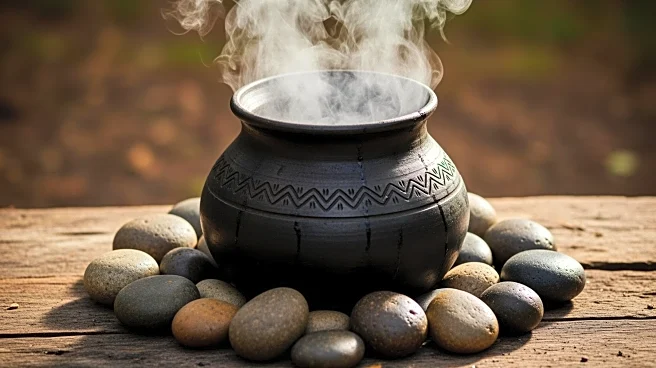

Stone boiling is a fascinating cooking method that has been used by various cultures throughout history. This technique involves heating stones and placing them in water-filled containers to cook food.
While it may seem primitive by today's standards, stone boiling was a vital part of culinary practices in regions like Oceania and Mesoamerica. This article delves into the historical and cultural significance of stone boiling, highlighting its role in traditional cooking methods.
Historical Origins and Development
Stone boiling is believed to have originated thousands of years ago, with archaeological evidence suggesting its use as far back as 4800 years ago in the Northern Plains of North America. Indigenous peoples in what is now Canada and the United States, particularly on the West and Northwest Coast, utilized this method extensively. The technique allowed for controlled cooking temperatures, which facilitated the extraction of fats and oils, making it easier to obtain nutrients from food.
The prominence of stone boiling increased between 250 C.E. and 1750 C.E., likely due to the need to feed growing populations. This method was not only practical but also adaptable, as it could be used with various types of containers, including bark baskets, pottery, and animal hides. The choice of container often depended on the resources available to the indigenous peoples.
Cultural Significance and Usage
Stone boiling was more than just a cooking method; it was an integral part of the cultural practices of many indigenous groups. In Polynesia, for example, stone boiling was common among Hawaiians, Samoans, Tahitians, and the Māori. The method was used not only for cooking but also for processing natural dyes, showcasing its versatility.
Modern indigenous food sovereignty movements are reintroducing stone boiling as a way to reconnect with traditional culinary practices. This revival highlights the cultural importance of stone boiling and its role in preserving heritage. The method's adaptability and resourcefulness continue to be appreciated, even in contemporary settings.
Materials and Techniques
The materials used in stone boiling varied depending on the region and available resources. Above-ground containers included bark baskets, pottery, and animal hides, while below-ground pits were lined with bison hides. The stones themselves were typically fist-sized and heated to high temperatures before being transferred to the cooking container.
The repeated heating and cooling of stones caused them to break over time, necessitating the use of new stones. Indigenous peoples often imported rocks from nearby rivers, as these heated more slowly and transferred heat more effectively than sandstone. This careful selection of materials and techniques underscores the ingenuity and adaptability of stone boiling as a cooking method.