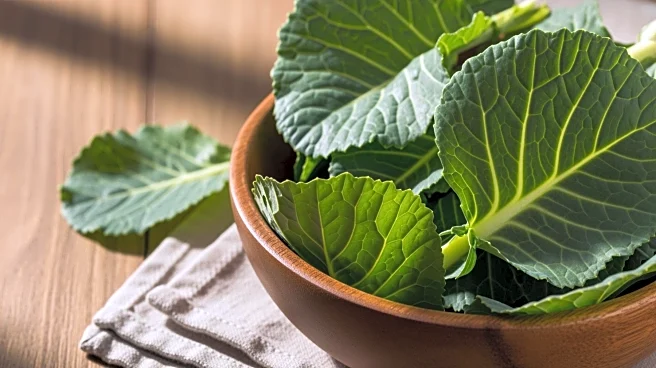




Collard greens are more than just a staple vegetable in Southern U.S. cuisine; they hold a deep cultural and symbolic significance, particularly within African-American communities. This leafy green, part of the Brassica oleracea species, is often associated with Southern traditions and African-American heritage. From New Year's Day rituals to their presence in literature and festivals, collard greens are a symbol of cultural identity and community.
Collard Greens in Southern Cuisine
Collard greens are a fundamental component of Southern U.S. cuisine, often prepared with other leafy greens like spinach, kale, and mustard greens in a dish known as "mixed greens." These greens are typically cooked with smoked and salted meats such as ham hocks or smoked turkey, along with onions, vinegar, and a variety of peppers. This preparation not only enhances the flavor but also reflects the resourcefulness and creativity of Southern cooking.
Traditionally, collard greens are eaten on New Year's Day alongside black-eyed peas and cornbread. This meal is believed to bring wealth and prosperity in the coming year, with the greens symbolizing money. The nutrient-rich broth, known as "pot liquor," is often soaked up with cornbread, making it a hearty and meaningful meal.
Symbolism and Heritage
Collard greens are deeply embedded in African-American culture and identity. They symbolize resilience and survival, having been a staple in the diets of enslaved Africans in the United States. During slavery, collard greens were commonly grown in kitchen gardens to supplement the limited rations provided by plantation owners. Their ability to withstand harsh weather conditions made them a reliable food source.
The cultural significance of collard greens extends beyond the dinner table. Jazz composer Thelonious Monk famously wore a collard leaf in his lapel as a nod to his African-American heritage. In literature, novelist Alice Walker has used collards to explore themes of African-American heritage and the experiences of black women. These references highlight the greens' role as a symbol of cultural pride and identity.
Celebrations and Festivals
Collard greens are celebrated in various festivals across the United States, emphasizing their cultural importance. Events like the Port Wentworth Collard Greens Festival in Georgia and the Latibah Collard Greens Museum in North Carolina honor the vegetable's role in African-American culture. These festivals feature cooking demonstrations, tastings, and cultural performances, bringing communities together to celebrate their shared heritage.
In President Barack Obama's first state dinner, collard greens were included on the menu, further cementing their status as a symbol of African-American culture. These events and acknowledgments highlight the enduring significance of collard greens as more than just a food item but as a representation of cultural identity and community unity.