



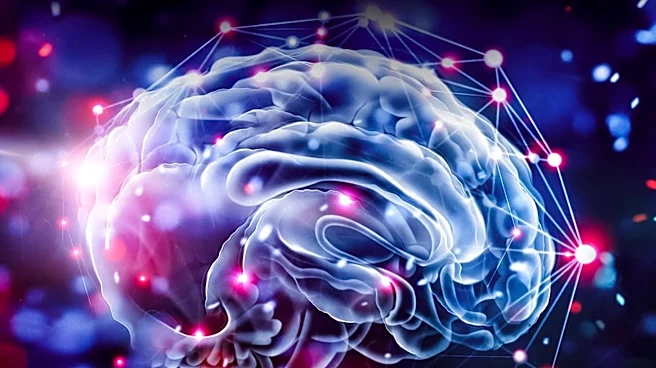

The salience network is a crucial component of the human brain, playing a significant role in how we process and respond to stimuli. This network is primarily composed of the anterior insula and the dorsal anterior cingulate cortex. It is involved in detecting and filtering important stimuli, as well as recruiting other brain networks to respond appropriately. Understanding the salience network's anatomy and function can provide insights into its
role in communication, social behavior, and self-awareness.
Anatomy of the Salience Network
The salience network is anchored at two primary brain regions: the anterior insula (AI) and the dorsal anterior cingulate cortex (dACC). These areas are connected by a white matter tract known as the uncinate fasciculus. The AI is associated with the dorsal-anterior division, which is identified in studies related to task-positive networks. The dACC, on the other hand, is linked to various cognitive and emotional processes. Together, these regions form the core of the salience network, which may also include other areas such as the inferior parietal cortex, right temporoparietal junction, and lateral prefrontal cortex.
In addition to these cortical nodes, the salience network has subcortical components that are yet to be structurally linked to the AI and dACC. These include the sublenticular extended amygdala, putamen, ventral striatum, dorsomedial thalamus, hypothalamus, and substantia nigra/ventral tegmental area. The network is also characterized by unique cellular components, such as von Economo neurons, which are found in the AI and dACC.
Function of the Salience Network
The salience network is involved in detecting and integrating emotional and sensory stimuli. It plays a critical role in modulating the switch between the default mode network, which is associated with internally directed cognition, and the central executive network, which is linked to externally directed cognition. This switching function is supported by evidence from Granger causality analysis and studies using transcranial magnetic stimulation.
The network's ability to mediate between different cognitive states is crucial for dynamic control of attention. During tasks that require attention, the salience network helps prioritize stimuli based on their relevance, allowing for efficient processing of information. This function is essential for decision-making, social interactions, and maintaining self-awareness.
Clinical Significance of the Salience Network
Abnormalities in the salience network have been observed in various psychiatric disorders, including depression, anxiety disorders, post-traumatic stress disorder, schizophrenia, and dementia. For instance, in individuals with depression, the frontostriatal salience network is often expanded, while in anxiety disorders, the AI node of the network tends to be hyperactive. These abnormalities can lead to disruptions in how stimuli are processed and prioritized, contributing to the symptoms experienced in these conditions.
Understanding the salience network's role in these disorders can provide valuable insights into potential therapeutic targets. By addressing the network's dysfunction, it may be possible to develop more effective treatments for these conditions, ultimately improving the quality of life for affected individuals.