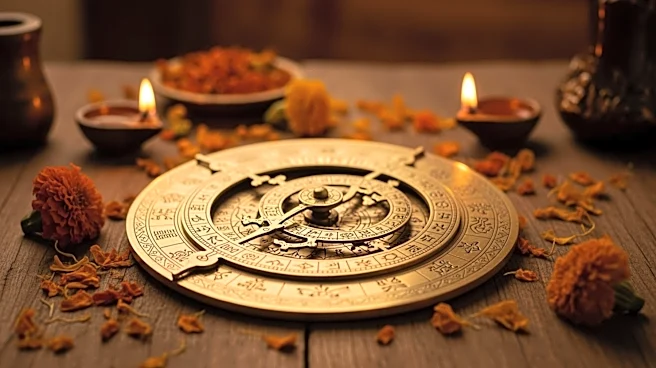







Hindu astrology, or Jyotisha, plays a significant role in the cultural and social fabric of Hindu society. It is not merely a system of predicting life events but a deeply ingrained practice influencing various aspects of life, from naming newborns to making major life decisions. This article explores the cultural significance of Hindu astrology and its pervasive impact on contemporary Hindu society.
Naming and Life Decisions
In Hindu culture, astrology is integral to naming
newborns. Traditionally, names are chosen based on the child's jyotisha chart, or kundali, which is believed to reflect the planetary influences at the time of birth. This practice underscores the belief that heavenly bodies, including planets, have a profound impact on human life.
Astrological concepts also play a crucial role in organizing the Hindu calendar and holidays. Auspicious times for rituals, marriages, and other significant events are often determined by astrological calculations. Many Hindus consult astrologers before making major decisions, such as opening a new business or moving into a new home, seeking guidance from the stars.
Influence of Karma and Navagraha
The belief in karma is central to Hindu astrology. Many Hindus view planetary influences as the "fruit of karma," affecting one's life journey. The Navagraha, or planetary deities, are considered subordinate to Ishvara, the Hindu concept of a supreme being, in administering justice. This belief system suggests that planets can influence earthly life, guiding individuals through their karmic paths.
Astrology's cultural significance is further highlighted by the Navagraha temples found throughout India. These temples are dedicated to the nine celestial bodies used in Hindu astrology, where devotees offer prayers to mitigate negative planetary influences and enhance positive ones.
Astrology in Modern India
Despite being labeled a pseudoscience by the scientific community, astrology retains a prominent position in modern India. The University Grants Commission and Ministry of Human Resource Development have introduced "Jyotir Vigyan" or "Vedic astrology" as a discipline of study in Indian universities. This decision reflects the cultural importance of astrology, despite protests from the scientific community.
Astrology's cultural significance is evident in its continued practice and study, influencing the lives of many Hindus. It serves as a bridge between tradition and modernity, offering a sense of connection to the cosmos and one's karmic journey. Hindu astrology remains a vital part of the cultural landscape, shaping beliefs and practices in contemporary society.