
Arena Pantanal, located in Cuiabá, Brazil, is a multi-use stadium that was built to host matches during the 2014 FIFA World Cup. This article delves into the architectural and construction details of the stadium,
highlighting its design features and the challenges faced during its development.
Architectural Vision
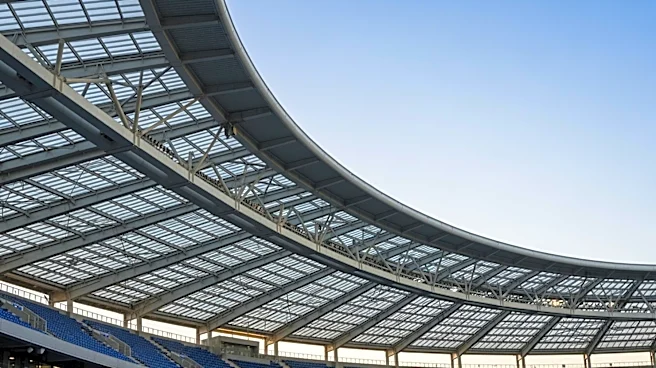
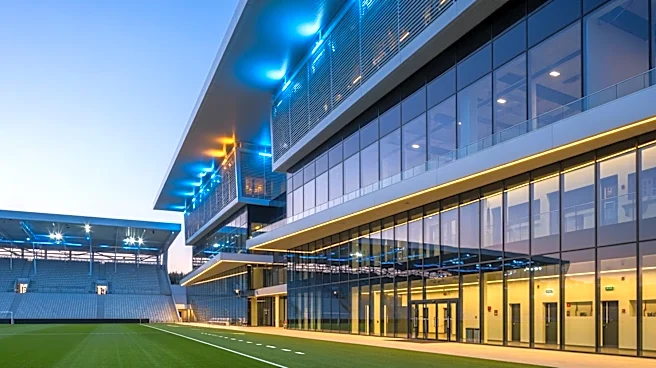
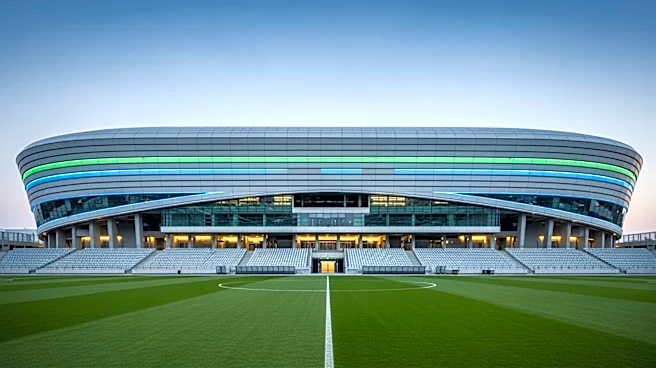
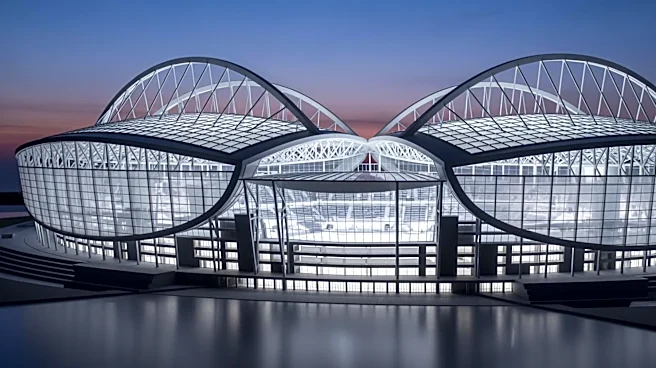
The Arena Pantanal was designed as a modern, multi-purpose stadium with a focus on sustainability and versatility. The stadium's design aimed to accommodate a variety of events, primarily focusing on football matches. The architectural plan included features that would allow the stadium to be used for other sports and large-scale events, making it a valuable asset to the city of Cuiabá.
One of the key design elements of Arena Pantanal is its seating capacity. During the World Cup, the stadium could hold 41,390 spectators, and it currently accommodates up to 42,788 people. This flexibility in capacity was an important consideration in the design process, ensuring that the stadium could meet the demands of both international events and local matches.
Construction Challenges
The construction of Arena Pantanal began in May 2010 and was completed on April 2, 2014. The project faced several challenges, including a fire in October 2013 caused by polystyrene insulation panels catching fire. This incident occurred just a day after the state governor of Mato Grosso expressed concerns about the stadium's readiness for the World Cup. Despite these setbacks, the construction team managed to complete the stadium in time for the event.
On the day of its opening, there were still 5,000 seats left to be installed, highlighting the tight timeline and the pressure to meet deadlines. The construction cost of the stadium was significant, amounting to R$ 646 million (approximately USD 293 million), reflecting the scale and complexity of the project.
Sustainable Features
Sustainability was a major focus in the design and construction of Arena Pantanal. The use of eco-friendly materials and energy-efficient systems was prioritized to minimize the environmental impact of the stadium. These efforts were part of a broader initiative to promote sustainable development in the region.
The stadium's location in Cuiabá, a city known for its hot climate, also influenced its design. Measures were taken to ensure adequate ventilation and cooling, providing a comfortable environment for spectators and players alike. These features not only enhance the stadium's functionality but also contribute to its long-term viability as a sports and events venue.
In conclusion, the construction and design of Arena Pantanal reflect a commitment to modernity, sustainability, and versatility. Despite the challenges faced during its development, the stadium stands as a testament to innovative architectural practices and the successful execution of a large-scale infrastructure project.