




Big Bend National Park, located in West Texas, is a treasure trove of biodiversity, offering a unique glimpse into the Chihuahuan Desert's rich ecological tapestry. Established in 1944, the park spans over 801,163 acres and is home to a remarkable variety of plant and animal species. This article delves into the park's diverse flora and fauna, highlighting the unique ecosystems that thrive within its boundaries.
Flora: A Desert Oasis
Big Bend National Park is home to more
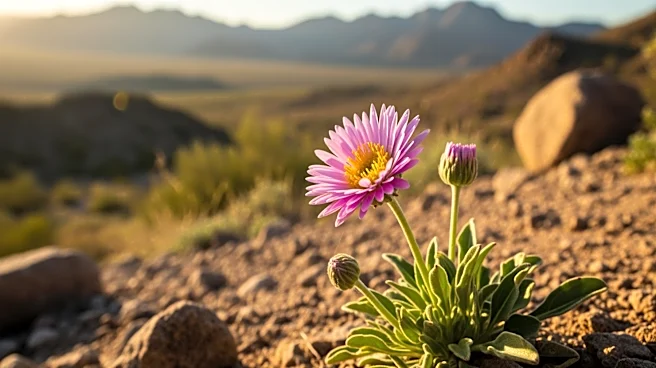
than 1,200 species of plants, making it a botanical wonderland. The park's diverse plant life is largely due to the variations in elevation and climate, ranging from the dry, hot desert to the cooler mountain areas. Cacti are a prominent feature, with species like prickly pear, claretcup, and pitaya adding vibrant colors to the landscape. In spring, wildflowers bloom, and yucca flowers display bright hues, creating a stunning visual spectacle.
The park also hosts unique plant species such as the Chisos oak, found nowhere else in the United States. The candelilla plant, historically significant for its wax production, is another notable species. These plants not only contribute to the park's beauty but also play crucial roles in the ecosystem, providing food and shelter for various animal species.
Fauna: A Nighttime Symphony
Big Bend's animal life is as diverse as its plant life, with over 600 species of vertebrates and about 3,600 insect species. The park comes alive at night, as many animals forage for food under the cover of darkness. Notable residents include the cougar, coyote, kangaroo rat, and the greater roadrunner. The park's mountain areas are home to Mexican black bears, adding to the park's allure.
Birdwatchers flock to Big Bend, drawn by the park's impressive avian diversity. With more than 450 bird species recorded, the park is a haven for bird enthusiasts. The Colima warbler, which breeds exclusively in the Chisos Mountains, is a particular highlight. This bird's presence underscores the park's importance as a sanctuary for rare and unique species.
Ecosystems: A Delicate Balance
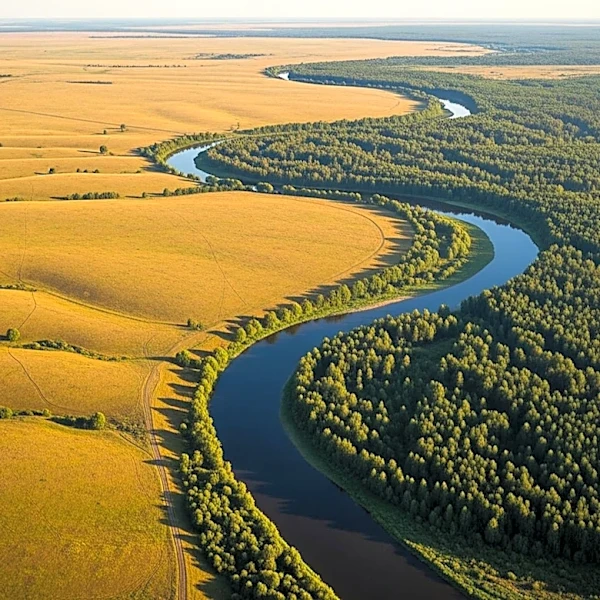
The park's ecosystems are a delicate balance of desert, mountain, and river environments. The Rio Grande riparian zone is particularly productive, supporting numerous plant and animal species. This vegetative belt extends into the desert along creeks and arroyos, creating a rich habitat for wildlife.
The Chisos Mountains, described as sky islands, are surrounded by desert and host isolated populations of plants and animals. These ecosystems are vital for maintaining the park's biodiversity, offering refuge and sustenance to a wide array of species. The park's management efforts focus on preserving these ecosystems, ensuring that Big Bend remains a vibrant and thriving natural sanctuary.