
Incense making is an ancient art that has evolved over centuries, with each culture developing unique techniques and materials to create fragrant offerings. From the selection of aromatic woods to the crafting
of incense sticks, the process of incense making is both a science and an art. This article explores the techniques and materials used in the production of incense across different cultures, highlighting the craftsmanship involved.
Traditional Techniques
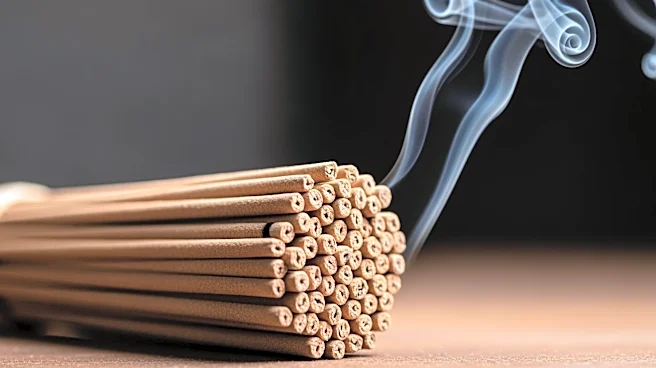
Incense can generally be separated into two main types: indirect-burning and direct-burning. Indirect-burning incense requires a separate heat source, while direct-burning incense is lit directly by a flame. Direct-burning incense is either a paste formed around a bamboo stick or extruded into a stick or cone shape.
In India, the method of incense making with a bamboo stick as a core originated at the end of the 19th century. The basic ingredients include bamboo sticks, paste made of charcoal dust or sawdust, and perfume ingredients. The paste is applied to the bamboo stick, rolled into a fine wood powder, and left to dry. Many Indian incense makers follow Ayurvedic principles, categorizing ingredients into five classes based on their properties.
Materials and Ingredients
The fragrant woods agarwood and sandalwood are the main ingredients used in Japanese incense. Agarwood is found in parts of Southeast Asia, and its resin turns the wood into kōboku. Sandalwood originates primarily from India and Southeast Asia, with the most valued sandalwood coming from Mysore in India.
Other materials used in incense making include cinnamon bark, clove, lavender, patchouli, and various resins like amber and myrrh. In Japan, raw materials such as agarwood are becoming increasingly rare, making prime material very expensive.
Modern Production
Today, incense production may be partly or completely by hand or by machine. In India, there are about 5,000 incense companies that take raw un-perfumed sticks hand-rolled by approximately 200,000 women working part-time at home. These companies apply their own brand of perfume and package the sticks for sale.
In Japan, companies like Nippon Kodo and Shoyeido are established suppliers of incense, with some operating for over 300 years. The start of the Edo period saw major changes in the history and production of incense, with senkō incense sticks becoming more widely available.
The art and craft of incense making continue to thrive, reflecting the rich cultural heritage and skilled craftsmanship involved in creating these fragrant offerings.