






The sweet orange, Citrus × sinensis, is a fascinating fruit from a botanical and genetic perspective. As a hybrid between the pomelo and the mandarin, it showcases the complexity of citrus genetics and the challenges of citrus taxonomy. This article delves into the botanical characteristics and genetic origins of the sweet orange, highlighting its unique place in the citrus family.
Hybrid Origins and Genetic Makeup
The sweet orange is not a naturally occurring wild fruit but rather
a product of domestication in East Asia. It originated from a cross between a non-pure mandarin orange and a hybrid pomelo, with the pomelo likely being the maternal parent. This hybridization resulted in a fruit with approximately 42% pomelo and 58% mandarin ancestry.
The genetic complexity of the sweet orange is further highlighted by its ability to produce numerous hybrids and cultivars. The interfertility of citrus species, including grapefruits, lemons, and limes, has led to a wide variety of citrus fruits, each with unique characteristics. The sweet orange itself has given rise to hybrids such as the grapefruit and the clementine.
Botanical Characteristics of the Sweet Orange
The sweet orange tree is a relatively small evergreen, flowering tree, typically reaching heights of 9 to 10 meters. Its oval leaves are alternately arranged and have crenulate margins. The fruit of the sweet orange varies in size and shape, ranging from spherical to oblong.
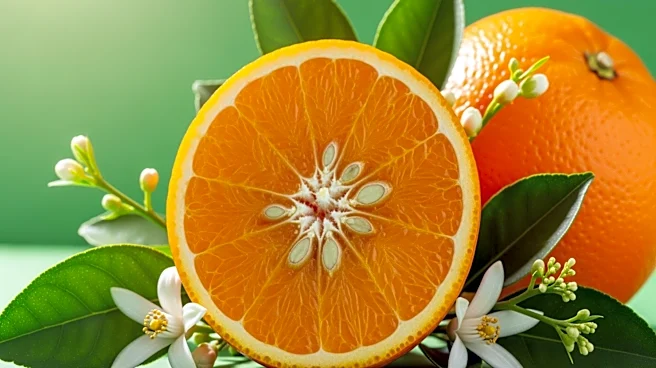
Inside the fruit, the orange contains distinct carpels, typically about ten, each filled with juice vesicles and a few seeds. The rind of the ripe fruit can range from bright orange to yellow-orange, often retaining green patches in warm climates. Unlike some other fruits, the sweet orange is non-climacteric, meaning it does not ripen off the tree.
Challenges in Citrus Taxonomy
The genetic diversity and hybridization of citrus fruits have made their taxonomy complex. The sweet orange, Citrus × sinensis, is classified as a hybrid, and its various cultivars are grouped into four classes: common oranges, blood oranges, navel oranges, and acidless oranges.
The complexity of citrus taxonomy is further compounded by the presence of numerous hybrids and bud mutations. This has led to challenges in classifying and understanding the relationships between different citrus species and cultivars.
The sweet orange's botanical and genetic complexity highlights the intricate nature of citrus fruits. Its hybrid origins and diverse cultivars make it a unique and valuable member of the citrus family. Understanding the sweet orange's genetic makeup and botanical characteristics provides insight into the broader world of citrus fruits and their cultivation.