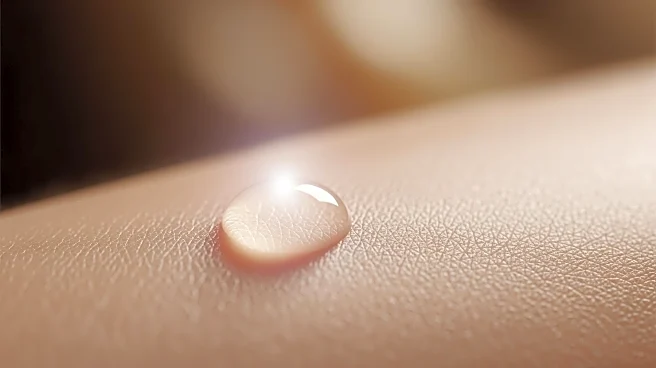




Sebaceous hyperplasia is a common skin condition that primarily affects older individuals. It involves the enlargement of sebaceous glands, which are responsible for secreting an oily substance called sebum. This condition is characterized by the appearance of small, shiny bumps on the skin, often found on the face, head, and neck. While sebaceous hyperplasia is generally harmless, it can be mistaken for other skin conditions, making accurate diagnosis
important.
Characteristics of Sebaceous Hyperplasia
Sebaceous hyperplasia manifests as flesh-colored or yellowish bumps that are typically 2-4 mm in diameter. These bumps are often shiny and have a central umbilication, giving them a distinct appearance. The lesions are usually surrounded by telangiectatic blood vessels, also known as "crown vessels," which contribute to their unique look. Despite their appearance, these bumps are generally asymptomatic and do not cause discomfort.
The condition is most prevalent in areas with a high concentration of sebaceous glands, such as the face, head, and neck. It primarily affects older adults, although the exact cause of sebaceous hyperplasia remains unknown. Some studies suggest that factors like topical irritants, carcinogens, and immunosuppression may contribute to its development.
Diagnosing Sebaceous Hyperplasia
Diagnosing sebaceous hyperplasia can be challenging due to its similarity to other skin conditions. While it can often be identified clinically, a biopsy is sometimes necessary to confirm the diagnosis. Dermatoscopy is a useful tool in distinguishing sebaceous hyperplasia from other lesions. This technique reveals specific characteristics, such as clusters of white or yellow nodules and the presence of crown vessels.
The differential diagnosis for sebaceous hyperplasia includes conditions like nevus sebaceous, sebaceous carcinoma, and basal cell carcinoma. Accurate diagnosis is crucial to ensure appropriate treatment and to rule out more serious conditions. In some cases, a biopsy may be required to differentiate sebaceous hyperplasia from other skin lesions.
Treatment Options for Sebaceous Hyperplasia
While sebaceous hyperplasia is generally harmless, some individuals may seek treatment for cosmetic reasons. Several treatment options are available, including cryotherapy, laser ablation, and electrodessication. These procedures aim to reduce the appearance of the lesions and improve the skin's appearance.
Cryotherapy involves freezing the lesions with liquid nitrogen, while laser ablation uses focused light to remove the affected tissue. Electrodessication, on the other hand, employs electrical currents to destroy the lesions. Each treatment option has its benefits and potential side effects, and the choice of treatment depends on the individual's preferences and the severity of the condition.
In conclusion, sebaceous hyperplasia is a common skin condition that primarily affects older adults. While it is generally harmless, accurate diagnosis is essential to differentiate it from other skin conditions. Various treatment options are available for those who wish to address the cosmetic aspects of the condition.