





The nitrogen cycle is a fundamental process in maintaining a healthy aquarium. It involves the conversion of toxic ammonia into less harmful substances, ensuring a safe environment for aquatic life. This article explores the stages of the nitrogen cycle and its significance in aquarium care.
The Role of Ammonia and Nitrites
In an aquarium, fish and other organisms produce waste that breaks down into ammonia. Ammonia is highly toxic to fish and can lead to serious health issues or even
death if not managed properly. The nitrogen cycle begins with the conversion of ammonia into nitrites by beneficial bacteria known as Nitrosomonas.
Nitrites, while less toxic than ammonia, are still harmful to fish. The presence of nitrites in the water can cause stress and damage to the fish's gills, affecting their ability to breathe. Therefore, it is crucial to monitor and manage nitrite levels in the aquarium.
Conversion to Nitrates: The Final Stage
The next stage in the nitrogen cycle involves the conversion of nitrites into nitrates by another group of bacteria, Nitrospira and Nitrobacter. Nitrates are much less toxic than ammonia and nitrites, making them safer for fish. However, high levels of nitrates can still be harmful over time.
In a natural environment, plants absorb nitrates as a nutrient, helping to keep levels in check. In an aquarium, regular water changes are necessary to remove excess nitrates and maintain a balanced ecosystem. This process is essential for preventing the buildup of harmful substances and ensuring the health of the aquarium's inhabitants.
Managing the Nitrogen Cycle in Aquariums
Establishing a stable nitrogen cycle is crucial for any aquarium. New tanks are particularly vulnerable to "new tank syndrome," where the lack of established bacteria can lead to dangerous spikes in ammonia and nitrite levels. It can take several weeks for beneficial bacteria to colonize the aquarium and establish a stable cycle.
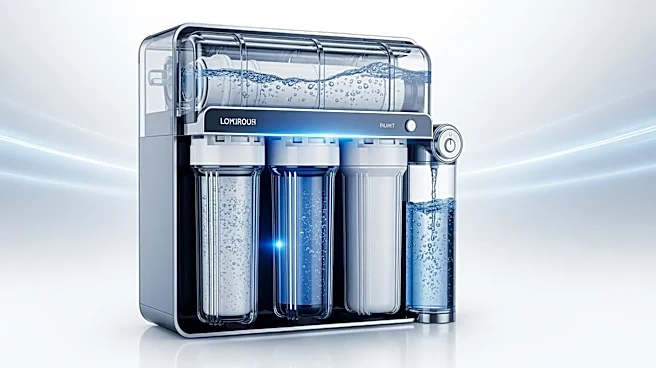
Aquarists can support the nitrogen cycle by using biological filters that provide a large surface area for bacterial growth. Regular monitoring of water parameters and performing partial water changes are also essential practices. By understanding and managing the nitrogen cycle, aquarists can create a safe and thriving environment for their aquatic pets.
In summary, the nitrogen cycle is a critical component of aquarium maintenance. By converting toxic ammonia into less harmful nitrates, it ensures a healthy and balanced ecosystem, supporting the well-being of the aquarium's inhabitants.