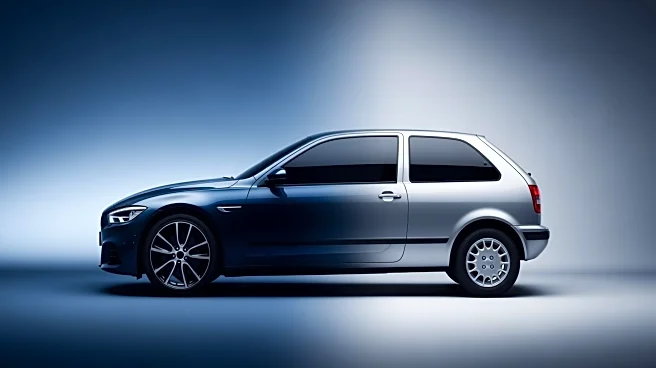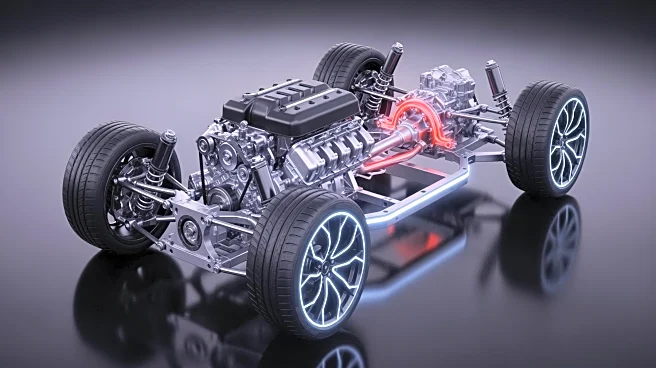

The Opel Kadett has been a pioneer in automotive technology, introducing several advancements that have shaped the industry. From its early models to its final generation, the Kadett has consistently pushed
the boundaries of design and engineering. This article delves into the technological innovations of the Opel Kadett, highlighting key features and advancements that defined its legacy.
Early Innovations: Unibody Construction and Suspension
The first Opel Kadett, introduced in 1936, was notable for its unibody construction, a design choice that followed the innovative Opel Olympia. This construction method was aimed at facilitating high-volume, low-cost production, making the Kadett accessible to a broader audience. The unibody design was a significant technological advancement, providing improved structural integrity and reducing manufacturing costs.
Another notable innovation in the early Kadett models was the suspension system. The Kadett I featured synchronous springing, based on the Dubonnet system, which was intended to provide a soft ride. This suspension configuration was already seen on Opel's larger models and showcased the brand's commitment to enhancing driving comfort. However, there was some criticism regarding handling and road-holding, especially when applied to small lightweight cars like the Kadett.
The Shift to Front-Wheel Drive: Kadett D
The introduction of the Kadett D in 1979 marked a significant technological leap for Opel, as it transitioned to a front-wheel-drive architecture. This change was part of a major investment by Opel and General Motors, showcasing advancements in engine and transmission design. The Kadett D featured an all-new family of engines and transmissions, which were later applied in the larger Ascona C and the smaller Corsa A.
The Kadett D was equipped with the Family I engine, featuring a single overhead camshaft, aluminum-alloy cylinder head, and hydraulic valve lifters. This engine design offered improved performance and efficiency, aligning with the industry's shift towards more modern and economical powertrains. The Kadett D also introduced a transaxle design that allowed the clutch to be replaced without removing the transmission unit, further enhancing its practicality.
Aerodynamics and Design: Kadett E
The Kadett E, launched in 1984, was recognized for its advanced aerodynamics and distinctive teardrop shape. This model was noted for its innovative design, mirroring the trend in the mid-1980s for swooping aerodynamic styling. The front end styling was taken directly from the Opel Tech 1 concept car of 1981, showcasing Opel's commitment to cutting-edge design.
The Kadett E's aerodynamic design contributed to improved fuel efficiency and performance, making it a competitive choice in the market. Its success was further cemented by being voted the 1985 European Car of the Year, highlighting the impact of its technological advancements.
The Opel Kadett's journey through technological innovations reflects the brand's dedication to pushing the boundaries of automotive design and engineering. Its legacy continues to inspire new generations of vehicles, showcasing the enduring appeal of innovation and progress.