


Obesity is a significant public health challenge in the United States, and nutrition guides like MyPlate play a crucial role in addressing this issue. Developed by the USDA, MyPlate provides a simple framework for building balanced meals, emphasizing the importance of fruits, vegetables, grains, protein, and dairy. By promoting healthy eating habits, MyPlate aims to reduce obesity rates and improve overall health.
The Importance of Balanced Eating
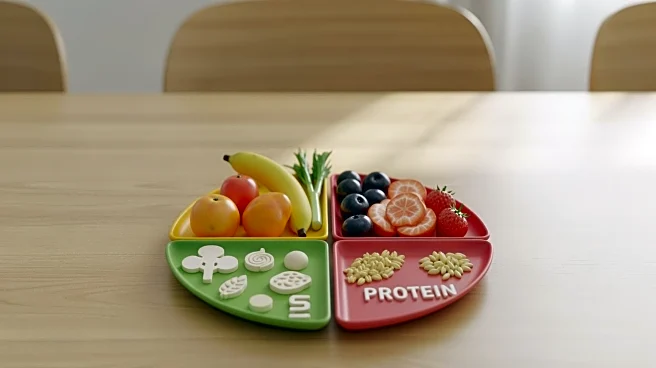
MyPlate encourages individuals to
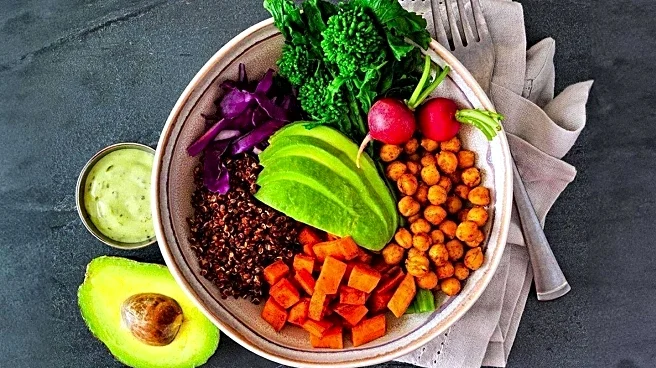
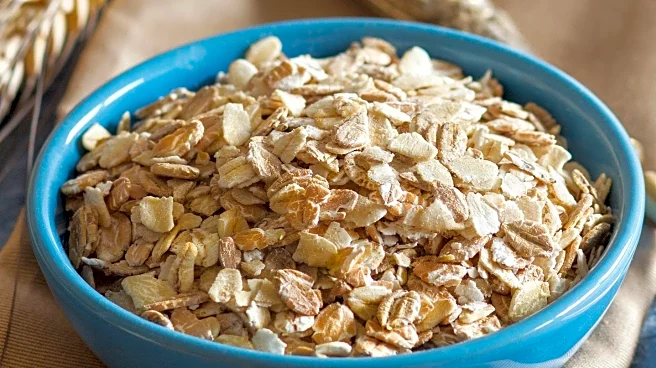
fill half their plate with fruits and vegetables, a quarter with grains, and a quarter with protein, accompanied by a serving of dairy. This balanced approach is designed to help people consume the necessary nutrients while managing portion sizes. The emphasis on fruits and vegetables is particularly important, as these food groups are rich in vitamins, minerals, and dietary fibers that support health and prevent disease.
The guidelines also recommend reducing sodium and sugar intake, which are often linked to obesity and related health issues. By providing clear and actionable dietary recommendations, MyPlate helps individuals make informed food choices that contribute to maintaining a healthy weight. The simplicity of the MyPlate icon makes it accessible to people of all ages, encouraging them to adopt healthier eating habits.
Educational Initiatives and Partnerships
MyPlate is supported by various educational initiatives and partnerships aimed at promoting its messages and expanding its reach. One notable initiative is Michelle Obama's Let's Move! campaign, which targets childhood obesity by encouraging healthier eating and physical activity. The campaign uses MyPlate as a tool to educate children and parents about the importance of balanced meals.
The USDA has also partnered with national organizations, including grocery retailers and healthcare companies, to promote MyPlate's guidelines. These partnerships help spread the message of healthy eating across different platforms, making it easier for individuals to access information and resources related to MyPlate. By collaborating with these partners, the USDA aims to create a healthier population and reduce obesity rates.
Challenges and Criticisms
Despite its benefits, MyPlate has faced criticism for oversimplifying dietary recommendations and failing to address certain aspects of nutrition. Some experts argue that the guide does not provide enough information about healthy fats or physical activity, which are important components of a healthy lifestyle. Additionally, the protein and dairy sections have been questioned for their relevance, as some individuals may not require these food groups in their diet.
Nevertheless, MyPlate remains a valuable tool in the fight against obesity, providing a straightforward framework for building balanced meals. By promoting healthy eating habits and collaborating with strategic partners, MyPlate continues to contribute to efforts to reduce obesity and improve public health in the United States.