





In the high-speed world of Formula One racing, practice sessions play a crucial role in preparing teams and drivers for the main event. These sessions are not just about getting a feel for the track; they are a strategic component of the race weekend, allowing teams to test new car parts and make necessary adjustments. Understanding the structure and purpose of these practice sessions provides insight into the meticulous preparation that goes into each
race.
The Structure of Practice Sessions
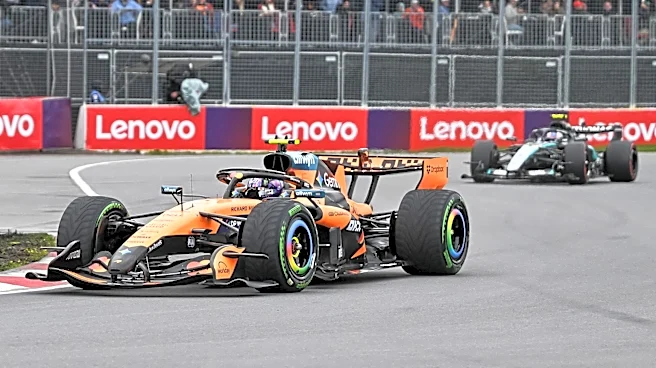
Formula One practice sessions are typically spread over two days, starting on Friday and continuing into Saturday. The weekend kicks off with two practice sessions on Friday, followed by a final session on Saturday morning. This schedule allows teams ample time to gather data and make adjustments before the qualifying rounds.
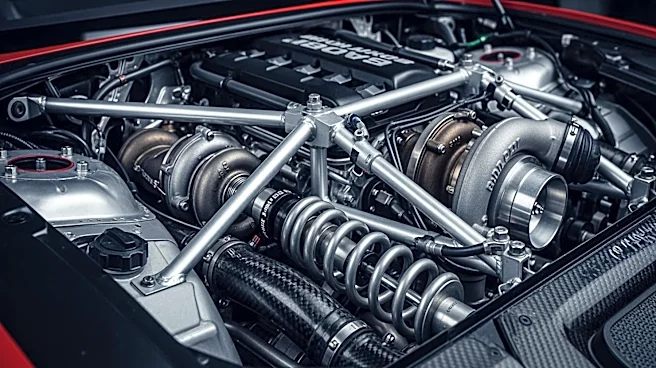
During these sessions, teams focus on testing various aspects of their cars. They may experiment with different wing configurations or suspension settings to optimize performance. The practice sessions also provide an opportunity for test drivers to get behind the wheel, offering valuable feedback to the team. This structured approach ensures that by the time qualifying begins, teams have a well-tuned machine ready to compete.
The Importance of Practice Sessions
Since 2010, practice sessions have gained even more significance due to the FIA's ban on in-season testing. This restriction means that the Friday practice sessions are often the only chance teams have to test new parts under race conditions. As a result, these sessions are critical for teams looking to gain a competitive edge.
The data collected during practice is invaluable. Teams analyze this information to make informed decisions about car setup and strategy. Adjustments made during practice can have a significant impact on a car's performance, making these sessions a vital part of the race weekend. The ability to adapt and optimize based on practice data can be the difference between a podium finish and a mid-pack result.
Special Considerations for Certain Races
While the general structure of practice sessions is consistent, some races have unique schedules. For example, the Monaco Grand Prix used to hold practice sessions on Thursday instead of Friday due to the Ascension Day holiday. However, since 2022, Monaco has aligned with the standard schedule.
Night races, such as the Singapore, Bahrain, and Abu Dhabi Grands Prix, also require adjustments to practice session timings. These races are held under artificial lights, and practice sessions are scheduled to mimic race conditions as closely as possible. This ensures that teams can gather relevant data and make necessary adjustments for the unique challenges posed by night racing.
In conclusion, practice sessions are a fundamental part of Formula One racing, providing teams with the opportunity to fine-tune their cars and strategies. These sessions are not just about learning the track; they are a critical component of a team's success on race day.