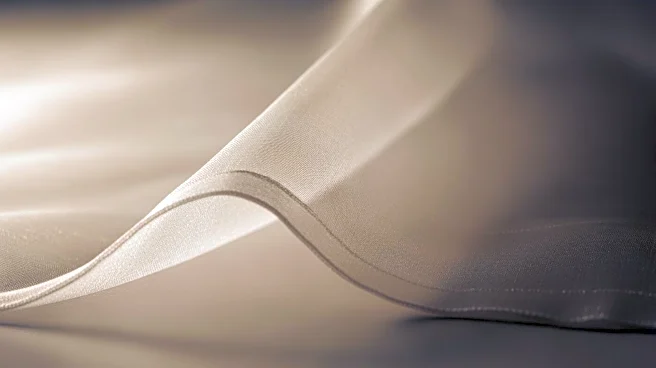




Organza is a fabric that has evolved significantly over time, transitioning from its traditional silk origins to modern synthetic adaptations. Known for its sheer and crisp texture, organza has been a staple in the textile industry, particularly in fashion. This article explores the historical development of organza, its geographical roots, and how it has adapted to modern manufacturing techniques.
Historical Roots of Organza
Organza has a rich history that dates back to its
origins as a silk fabric. Traditionally, it was made from silk, a luxurious material that was highly prized for its sheen and texture. The production of silk organza was concentrated in specific regions, notably along the Yangtze River and in the province of Zhejiang in China. These areas became renowned for their high-quality silk organza, which was woven by skilled artisans.
In addition to China, India also played a significant role in the production of organza. The Bangalore area became known for producing a coarser version of silk organza, which offered a different texture and appeal. This regional variation contributed to the diversity of organza fabrics available in the market.
Modern Adaptations and Materials
As technology advanced, the production of organza expanded beyond silk to include synthetic fibers such as polyester and nylon. These modern organzas are often more affordable and accessible, making the fabric popular for a wider range of applications. The use of synthetic fibers has also allowed for greater durability and ease of care, which are important factors for contemporary consumers.
Despite these changes, silk organza remains a deluxe option, with high-end versions still being produced in France and Italy. These regions are known for their luxurious textiles, and their silk organza is often used in haute couture fashion. The continued production of silk organza alongside synthetic versions highlights the fabric's versatility and enduring appeal.
The Unique Characteristics of Organza
Organza is distinguished by its crisp hand and slippery texture, which set it apart from other sheer fabrics. This unique combination of qualities makes it ideal for creating structured garments that hold their shape while maintaining a delicate appearance. The fabric's stiffness relative to its weight allows designers to craft voluminous silhouettes without adding bulk.
The term "organza" itself may have linguistic roots in the French word "organsin," which is believed to be derived from the Central Asian city of Urgench. This etymology reflects the fabric's historical connections to the Silk Road, a network of trade routes that facilitated the exchange of goods and cultural influences across Asia and Europe.
In conclusion, organza's evolution from a traditional silk fabric to a modern textile incorporating synthetic fibers demonstrates its adaptability and enduring popularity. Whether used in high fashion or everyday garments, organza continues to captivate with its unique blend of elegance and structure.