







The parka, a staple of cold-weather clothing, has a rich history that spans from the Arctic regions to contemporary fashion runways. Originally crafted by the Inuit people, parkas were designed to withstand the harshest climates using materials like caribou and seal skin. Over time, this practical garment has evolved, influenced by military needs and fashion trends, becoming a versatile piece in wardrobes worldwide.
Inuit Origins and Traditional Craftsmanship
The parka's roots are deeply embedded
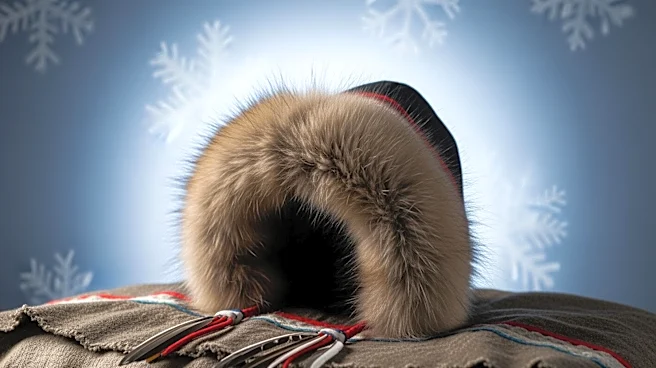
in Inuit culture, where it was essential for survival in the frigid Arctic environment. Traditionally made from caribou or seal skin, these garments were expertly crafted to provide warmth and protection during hunting and kayaking. The Inuit's ingenuity is evident in their use of fish oil to maintain the water resistance of anoraks, a related garment. Parkas were typically longer, extending to the thighs or knees, while anoraks were shorter, often hip-length and designed as pull-over jackets.
The craftsmanship involved in making these garments was meticulous, with each piece tailored to meet the specific needs of the wearer. The fur-lined hoods and drawstrings at the waist and cuffs were not just decorative but functional, ensuring maximum insulation against the cold. This attention to detail highlights the Inuit's deep understanding of their environment and their ability to adapt their clothing to it.
Military Adaptations and Innovations
The parka's journey from traditional Inuit wear to military gear began in the mid-20th century. Recognizing the need for effective cold-weather clothing, the U.S. Army adopted the fishtail parka during the Korean War in 1950. This adaptation led to the development of several models, including the EX-48, M-48, M-51, and M-65, each designed to improve upon the last in terms of warmth and functionality.
The fishtail parka was named for its distinctive back extension, which could be folded between the legs for added wind-proofing. This design was particularly effective in combat situations, where mobility and protection from the elements were crucial. The military's influence on the parka's design introduced new materials and construction techniques, such as the use of synthetic fibers and detachable liners, making the garment more versatile and easier to produce.
Modern Fashion and Cultural Impact
Today, the parka is a fashion icon, embraced by designers and consumers alike for its practicality and style. The garment's evolution from a survival necessity to a fashion statement reflects broader cultural shifts and the growing appreciation for functional design. Modern parkas often feature faux fur trims and synthetic linings, catering to ethical concerns and fashion preferences.
The parka's presence in popular culture, particularly within the mod subculture of the 1960s, further cemented its status as a fashionable item. Its practicality for scooter riders and its association with youthful rebellion made it a symbol of style and identity. As fashion continues to evolve, the parka remains a testament to the enduring legacy of Inuit innovation and the garment's ability to adapt to changing times and tastes.