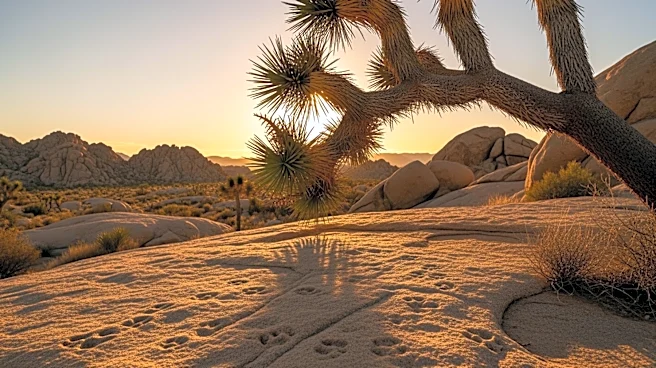









Joshua Tree National Park, located in Southern California, is renowned for its striking desert landscapes and diverse wildlife. The park is a haven for nature enthusiasts, offering a glimpse into the lives of various animal species that have adapted to the harsh desert environment. From elusive bighorn sheep to the common coyote, the park's wildlife is as varied as its terrain.
Mammals of the Desert
Joshua Tree National Park is home to 57 types of mammals, each uniquely
adapted to the desert's challenging conditions. Among these, the bighorn sheep are particularly notable. These elusive creatures are well-suited to the rocky terrain, using their agility to navigate the park's rugged landscape. Coyotes, on the other hand, are more commonly seen and are known for their adaptability, thriving in both the park's wild areas and its more developed regions.
In addition to these larger mammals, the park is also home to smaller creatures like cottontail rabbits. These animals are often spotted darting through the underbrush, their quick movements a testament to their survival skills in a land where predators are always on the prowl. The presence of these mammals highlights the park's role as a critical habitat for desert wildlife.
Reptiles and Birds
The park's reptile population is equally impressive, with 46 species calling Joshua Tree home. Among them is the desert tortoise, a species that has become increasingly rare. These tortoises are a symbol of the desert's resilience, capable of surviving long periods without water by storing it in their bodies. Their presence in the park underscores the importance of conservation efforts to protect these vulnerable creatures.
Birdwatchers will find Joshua Tree National Park a paradise, as it is a key spot on the Pacific Flyway. Over 250 bird species have been recorded in the park, making it a hotspot for observing both resident and migratory birds. From the common raven to the colorful warblers that pass through during migration, the park offers a rich tapestry of avian life.
The Role of Micro-Habitats
One of the unique features of Joshua Tree National Park is its micro-habitats, which support a wide range of plant and animal life not typically found together. These micro-habitats create a diverse ecosystem where species like the Joshua Tree, pinyon, and juniper coexist with mesquite, yucca, and various cacti. This diversity of plant life provides food and shelter for the park's wildlife, supporting a complex web of life.
The park's ability to sustain such a wide array of species is a testament to the resilience of desert ecosystems. As visitors explore Joshua Tree National Park, they are not only witnessing the beauty of the desert but also the intricate balance of life that thrives in this unique environment.