




"The Curse of Frankenstein," released in 1957, was a groundbreaking film that marked the beginning of Hammer Film Productions' foray into horror cinema. Directed by Terence Fisher and written by Jimmy Sangster, the film was a loose adaptation of Mary Shelley's novel "Frankenstein; or, The Modern Prometheus." The production of this film was a pivotal moment for Hammer, setting the stage for its future success in the horror genre.
Development and Screenwriting
The journey to bring
"The Curse of Frankenstein" to the screen began with producer Max Rosenberg, who initially approached Hammer Films with a script titled "Frankenstein and the Monster." However, Rosenberg and his partner Milton Subotsky were eventually cut out of the production, receiving only a fee for their involvement. Screenwriter Jimmy Sangster, who had not seen Subotsky's script, was tasked with adapting Mary Shelley's novel.
Sangster's approach to the screenplay was influenced by budgetary constraints. He avoided scenes that would require large-scale production, such as villagers storming a castle, which were common in Universal's horror films. Instead, Sangster focused on the psychological aspects of the story, creating a more intimate and character-driven narrative. This decision not only kept production costs down but also allowed for a fresh take on the Frankenstein story.
Casting and Filming
Casting for "The Curse of Frankenstein" was crucial to its success. Peter Cushing, known for his roles in British television, was cast as Baron Victor Frankenstein, marking his first lead role in a film. Christopher Lee, chosen for his height, portrayed the Creature. Lee's casting was a departure from the iconic portrayal by Boris Karloff, and makeup artist Phil Leakey was tasked with creating a new look for the Creature.
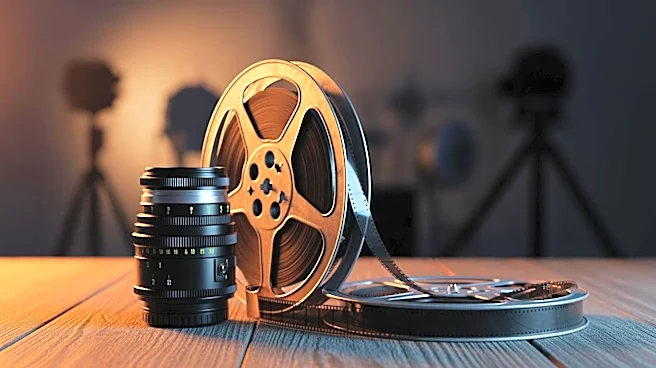
Filming began on November 19, 1956, at Bray Studios. The production had a modest budget of £65,000, which required the team to be resourceful. Despite these limitations, the film's use of Eastmancolor and atmospheric cinematography by Jack Asher contributed to its distinctive visual style. The film's production was a collaborative effort, with contributions from editor James Needs and composer James Bernard, whose score added to the film's eerie atmosphere.
Challenges and Innovations
The production of "The Curse of Frankenstein" was not without its challenges. Character actor Patrick Troughton had a brief role as a mortuary attendant, but his scenes were ultimately cut from the final film. Despite these setbacks, the film's innovative approach to horror storytelling set it apart from its predecessors.
The decision to film in color was a bold move that paid off, as it allowed for more graphic depictions of horror elements. This choice, combined with the film's focus on character development and psychological tension, helped establish "The Curse of Frankenstein" as a landmark in horror cinema. Its success paved the way for Hammer's future horror films, solidifying its reputation as a leader in the genre.