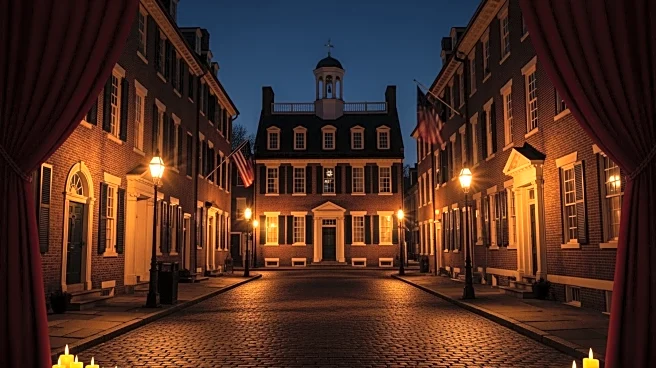




During the American Revolutionary War, New York City played a pivotal role as a theater of conflict and a base for British operations. From the early battles of the New York Campaign to the city's occupation by British forces, New York was at the heart of the struggle for independence. This article explores the city's experiences during this tumultuous period, highlighting its strategic importance, the impact of British occupation, and the social
dynamics that unfolded.
The New York Campaign and British Control
The New York Campaign was a series of major battles in the early stages of the American Revolutionary War, with New York City as a central focus. General George Washington and his troops moved to defend Manhattan and New York Harbor in 1776, recognizing the city's strategic importance. However, the British forces, led by General William Howe, successfully captured New York City after a series of engagements, including the Battle of Long Island and the Battle of Harlem Heights.
Following these battles, New York City fell under British control and remained occupied until the end of the war in 1783. The city became the British political and military center of operations in North America, serving as a base for further campaigns and a haven for Loyalist refugees. The British occupation had a profound impact on the city's social and economic landscape, as it became a hub for military activities and a refuge for those loyal to the Crown.
Social Dynamics and Loyalist Stronghold
Under British occupation, New York City became a stronghold for Loyalists, those who remained loyal to the British Crown. The city attracted a significant number of Loyalist refugees from other colonies, further solidifying its status as a center of Royalist sentiment. This influx of Loyalists created a unique social dynamic, as the city was home to a larger proportion of Tories than any other place in the colonies.
The presence of British forces and Loyalists influenced the city's social fabric. Many prominent New Yorkers, benefiting from the profits of empire, were reluctant to jeopardize their connections to the British. This created tensions with the Patriot minority, who sought independence from British rule. The city's social landscape was marked by divisions, with some residents supporting the British and others advocating for the revolutionary cause.
The End of Occupation and Legacy
The British occupation of New York City came to an end in 1783, following the conclusion of the American Revolutionary War. The city was the last port evacuated by British ships, marking a significant moment in the struggle for independence. As the British forces departed, many Loyalists and former slaves who had sought refuge in the city also left, reshaping the city's demographic landscape.
The legacy of British occupation left a lasting impact on New York City. The city's experiences during the war highlighted its strategic importance and set the stage for its future growth as a major urban center. The divisions and social dynamics that emerged during this period also influenced the city's post-war development, as it transitioned from a British stronghold to a key player in the newly independent United States.
In conclusion, New York City's role during the British occupation was marked by its strategic significance and the complex social dynamics that unfolded. The city's experiences during the Revolutionary War shaped its identity and laid the groundwork for its future as a vibrant and influential metropolis.