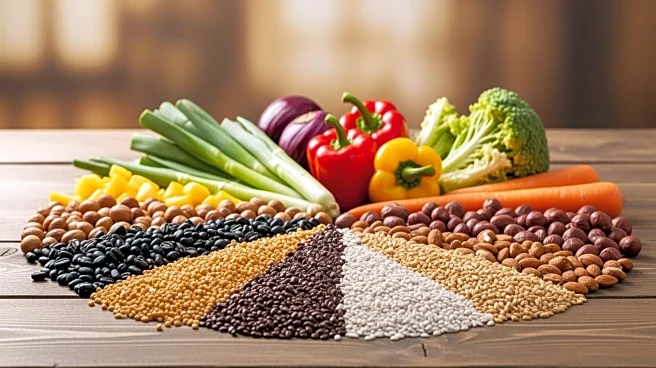




Food combining is a dietary theory that suggests certain combinations of foods can improve digestion and overall health. This concept was popularized in the early 20th century by William Howard Hay, an American physician. Despite its popularity, scientific evidence does not support the health benefits claimed by food combining advocates. This article delves into the historical development and evolution of the food combining theory, examining its origins
and how it has persisted over time.
Early Development
The concept of food combining was introduced by William Howard Hay in the early 1900s. Hay, who was a physician, developed this dietary system after experiencing health issues himself. He believed that certain foods required different pH environments for digestion and that consuming incompatible foods together could lead to poor digestion and health problems. Hay's dietary system involved separating foods into categories based on their digestive requirements and avoiding eating certain combinations at the same meal.
Hay's ideas gained traction in the early 20th century, particularly among those seeking alternative health solutions. His dietary system was seen as a way to improve digestion and overall health by adhering to specific food combinations. Despite the lack of scientific evidence supporting these claims, the food combining theory became popular and was adopted by various health enthusiasts and practitioners.
Popularization and Criticism
The food combining theory gained significant popularity in the mid-20th century, with various adaptations and interpretations emerging. The Hay diet, as it became known, was embraced by many as a way to achieve better health and weight control. However, the theory faced criticism from the scientific community, which argued that there was no evidence to support the claims made by food combining advocates.
Critics pointed out that the human digestive system is capable of handling a variety of foods simultaneously, and that the body's natural digestive processes are not hindered by consuming different types of foods together. Despite this criticism, the food combining theory continued to attract followers, with some individuals reporting personal health benefits from adhering to the dietary guidelines.
Modern Perspectives
In recent years, the food combining theory has seen a resurgence in popularity, particularly among those interested in holistic and alternative health practices. While scientific evidence still does not support the health benefits claimed by food combining advocates, the theory remains appealing to some due to its emphasis on mindful eating and the potential for improved digestion.
Today, food combining is often incorporated into various dietary approaches, such as veganism and raw food diets, where individuals seek to optimize their nutrient intake and digestive health. Despite ongoing criticism from the scientific community, the food combining theory continues to be a topic of interest and debate among health enthusiasts and practitioners.