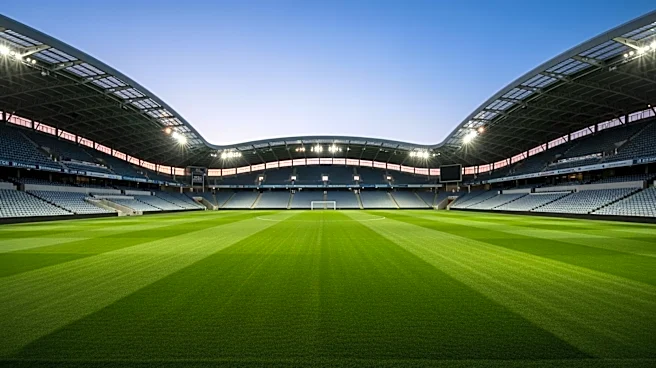









San Siro Stadium, also known as Stadio Giuseppe Meazza, is not just a football venue; it is a cultural and sporting icon in Milan, Italy. This stadium has played a pivotal role in the city's identity, hosting countless memorable matches and events that have left a lasting impact on fans and the broader community.
A Hub for Football Excellence
San Siro is home to two of Italy's most storied football clubs, AC Milan and Inter Milan. The stadium has been the battleground for the Derby
della Madonnina, one of the most intense and historic rivalries in football. This derby has captivated fans worldwide, showcasing the passion and skill of both teams.
The stadium's significance extends beyond club football. It has hosted numerous international tournaments, including the FIFA World Cup in 1934 and 1990, and the UEFA Euro 1980. These events have cemented San Siro's reputation as a premier venue for world-class football, attracting fans and players from around the globe.
Architectural Marvel and Tourist Attraction
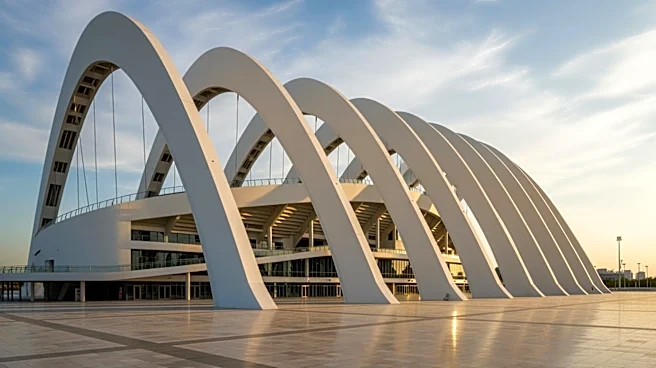
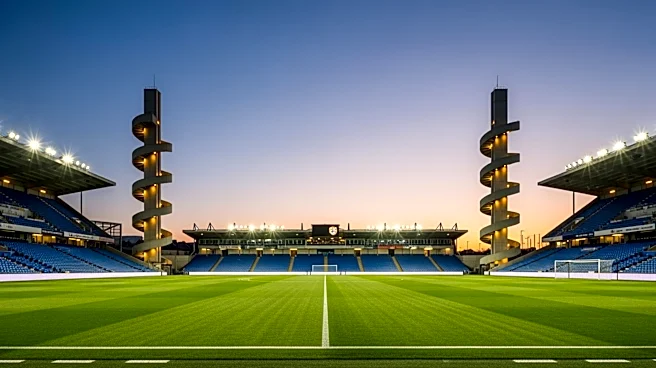
San Siro's architectural design is a marvel in itself. The stadium's distinctive red girders and spiraling ramps are iconic features that have become synonymous with Milan's skyline. Its capacity to hold over 75,000 spectators makes it the largest stadium in Italy, drawing tourists and football enthusiasts alike.
The stadium also houses a museum that chronicles the history of AC Milan and Inter Milan. Visitors can explore a vast collection of memorabilia, including historical shirts, trophies, and other artifacts that tell the story of these legendary clubs. This museum adds another layer to San Siro's cultural significance, offering fans a deeper connection to the sport's history.
Beyond Football: A Venue for All
While football is the primary focus, San Siro has also hosted a variety of other events, including concerts and rugby matches. Artists like Bob Marley, Bruce Springsteen, and Madonna have performed at the stadium, attracting diverse audiences and showcasing its versatility as a venue.
The stadium's role in the community extends to its involvement in the 2026 Winter Olympics, where it will host the opening ceremony. This event highlights San Siro's continued relevance and adaptability, ensuring its place as a central figure in Milan's cultural and sporting landscape.
San Siro's legacy is one of passion, history, and community. As discussions about its future continue, the stadium remains a symbol of Milan's rich sporting culture and its enduring love for football.