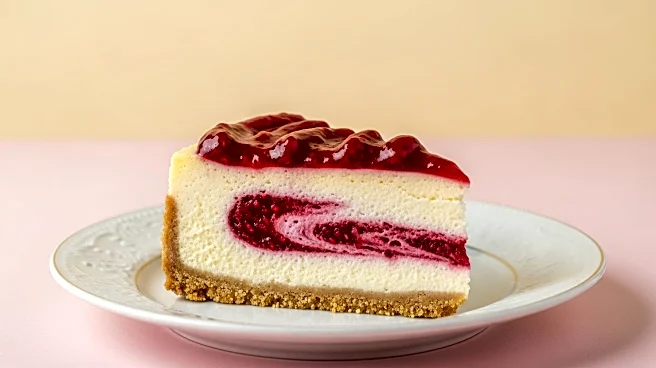

Cheesecake is a beloved dessert known for its creamy texture and rich flavor. Made primarily from soft fresh cheese, eggs, and sugar, it can be baked or unbaked and is typically served chilled. The dessert often features a crust made from crushed cookies, graham crackers, or pastry, adding a delightful crunch to each bite. Cheesecake has a fascinating history, with roots tracing back to ancient Greece, where it was served to athletes during the first Olympic Games. Over the centuries, it has evolved into various forms, with each culture adding its unique twist, making it a versatile and cherished treat worldwide.
### Origins and Evolution Cheesecake's origins can be traced back to ancient Greece, where it was considered a source of energy for athletes. The earliest recorded mention of cheesecake dates back to 776 BC, during the first Olympic Games. The Greeks made cheesecake using simple ingredients like cheese, honey, and wheat flour. As the Roman Empire expanded, they adopted the Greek recipe and introduced it to Europe. The dessert continued to evolve, with each region adding its unique ingredients and techniques. By the 18th century, cheesecake had become a popular dessert in America, with the introduction of cream cheese as a key ingredient.
### Varieties and Styles Cheesecake comes in numerous varieties, each offering a distinct flavor and texture. The New York-style cheesecake is perhaps the most famous, known for its dense and creamy consistency. It typically includes cream cheese, eggs, sugar, and heavy cream, baked to perfection. Other popular styles include the Italian ricotta cheesecake, which uses ricotta cheese for a lighter texture, and the Japanese cotton cheesecake, known for its fluffy, soufflé-like quality. Additionally, there are no-bake versions that rely on gelatin or whipped cream to set, offering a refreshing alternative.
### Cultural Significance Cheesecake holds a special place in various cultures, often associated with celebrations and special occasions. In the United States, it is a staple dessert during holidays and family gatherings. In Italy, ricotta cheesecake is a traditional Easter treat, symbolizing renewal and rebirth. The dessert's versatility allows it to be adapted to local tastes, with ingredients like fruit, chocolate, and nuts enhancing its appeal. Cheesecake's enduring popularity is a testament to its ability to bring joy and indulgence to people across the globe.
### Modern Innovations Today, cheesecake continues to inspire culinary creativity, with chefs experimenting with flavors and presentation. From matcha-infused cheesecakes to vegan versions made with cashew cream, the possibilities are endless. The Cheesecake Factory, a renowned restaurant chain, has played a significant role in popularizing cheesecake, offering over 30 varieties to cater to diverse tastes. As the dessert evolves, it remains a symbol of culinary innovation and a beloved treat for dessert enthusiasts everywhere.
For the benefit of users - Parts of this article may include content generated using AI tools. Our teams are making active and commercially reasonable efforts to moderate all AI generated content. Our moderation processes are improving however our processes are carried out on a best-effort basis and may not be exhaustive in nature. We encourage our users to consume the content judiciously and rely on their own research for accuracy of facts. We maintain that all AI generated content on our platform is for entertainment purposes only. To know more about how we use AI, you can write to us at support_spaces@glance.com